Category: Uncategorized

  • RDC et Burundi : Retour en force du “Nazisme tropical” #rwanda #RwOT

    ” Les Banyamulenge sont les Rwandais réfugiés au Congo ou immigrés au Congo. Ce ne sont pas des Congolais. Ok ? En d’autres termes, ce sont des occupants étrangers qui occupent la République Démocratique du Congo. Quand on parle de l’occupation du Congo, on parle de ces gens-là. Tous les jeunes doivent se mettre debout pour les chasser hors du pays. Il n’y a pas autre chose à faire. Il faut les chasser. Au cas où un Rwandais résiste, …il refuse de sortir du pays, à chacun un cadavre rwandais entre ses mains. “

    https://video-cdt1-1.xx.fbcdn.net/v/t42.9040-2/121624352_752054788679247_2574046943199832655_n.mp4?nc_cat=105&_nc_sid=985c63&efg=eyJ2ZW5jb2RlX3RhZyI6ImxlZ2FjeV9zZCJ9&_nc_ohc=ckXJjOwZ088AX_2_wC0&_nc_ht=video-cdt1-1.xx&oh=7253467fbc663d96e3fb57b60023fa74&oe=5F883AEA#=_

    Cette séquence vidéo de 51 secondes diffusée sur Facebook est devenue virale en RDC. Elle est datée du 14 octobre. En sous-titre, un second message doublant la menace à l’intention d’hommes politiques congolais d’ascendance banyamulenge, nommément désignés : ” Vous tous cherchez la république de Minembwe. Nous sommes au courant de votre plan de balkanisation de notre pays. ”
    La séquence a été lancée au moment des manifestations convoquées par Martin Fayulu, qui s’autoproclame ” candidat élu ” du Congo. Ce candidat malheureux à la présidentielle de décembre 2018 en RDC, président du parti politique Engagement pour la citoyenneté et le développement (ECIDé) n’a cessé de radicaliser son discours anti-tutsi depuis sa mésaventure électorale.

    ” Au cas où un Rwandais résiste, à chacun un cadavre rwandais entre ses mains. “
    ” Si nous laissons Minembwe entre les mains de ses occupants, demain nous n’aurons plus ce pays “, a déclaré Fayulu lors de la conférence de presse qui annonçait l’organisation d’une marche le 14 octobre à Kinshasa. Une pénultième manifestation ” pour empêcher la balkanisation du Congo “, comme il le répète depuis plus d’un an. Martin Fayulu ne réclame pas l’extermination des ” occupants rwandais ” [un euphémisme pour dire Tutsi] de la RDC. Des militants de sa formation politique s’en chargent sur les réseaux sociaux ou dans la rue. Notamment sur Twitter. Jusqu’à un flot de commentaires racistes, anti-rwandais/anti-tutsi, déposés après un article de La Libre Belgique relatant l’interdiction de la marche du 14 octobre, une interdiction qui les a mis en rage.

    Ces commentaires susceptibles de poursuites pénales ont été supprimés par l’opérateur quelques jours plus tard et ne sont plus accessibles. ” Article à lire pour qui s’intéresse au glissement populiste d’un nombre grandissant de figures publiques congolaises et à la normalisation du discours de haine en RDC, surtout autour de #Minembwe “, résumait l’analyste Félix Ndahinda, qui les a archivés avant cette suppression.

    Mais la logorrhée haineuse est comme l’hydre à plusieurs têtes, celles-ci repoussent à peine coupées. Y compris sur un blog hébergé en France par Mediapart. Le congolais Lwakale Mubengay Bafwa y est à la manoeuvre en relayant les thèses de son confrère Kwebe Kimpele, qui n’hésite pas à présenter les Tutsi de la région des Grands Lacs ” comme des émigrés venus d’Abyssinie n’ayant de cesse que d’abuser cyniquement, avec ingratitude et surtout cruauté inqualifiable, de l’hospitalité des généreux, et non moins naïfs, autochtones, qui succombent niaisement à leur machiavélique séduction et à leur systémique agression. “

    Voici vingt-cinq ans, Théoneste Bagosora dit ” Colonel Apocalypse “, alors en fuite, avait résumé ce Storytelling de haine vis-à-vis des Tutsi : ” Dans un premier temps, ces Tutsis nilotiques hamites venus d’Abyssinie, jouissant d’un accueil chaleureux et d’une excellente hospitalité se montrèrent courtois et en reconnaissance donnèrent leur filles en mariage aux hutus en commençant par les plus influents auxquels ils offrirent également plusieurs vaches en guise de cadeau […]. Le Hutu naturellement candide crut tout naïvement à ces pactes d’alliance auxquels le Tutsi ne croyait pas du tout. Il ne connaitra la vraie face de son visiteur que trop tard, quand il aura tout perdu. “

    Les historiens Jean-Pierre Chrétien et Marcel Kabanda ont démonté la genèse de cette idéologie mortifère introduite par les premiers missionnaires et colons européens. Mais quelle démonstration pourrait obliger les racistes et des désinformateurs patentés à se remettre en question ?

    ” Comme des émigrés venus d’Abyssinie “
    Selon Lwakale Mubengay Bafwa et son confrère Kwebe Kimpele, ” pour stopper les horreurs, le cycle des génocides, qui endeuillent toute la région des Grands-Lacs, il urge de neutraliser l’incoercible quête de domination par les extrémistes Tutsis. Ces derniers ont réussi à nouer d’inextricables alliances à l’international et disposent de gros moyens. Seuls, la dénonciation des crimes et le renversement de pactes à l’international, peuvent changer la donne ! “

    Lwakale Mubengay Bafwa et Kwebe Kimpele ne font que reprendre les diatribes racistes et conspirationnistes des extrémistes rwandais, — notamment du colonel Bagosora.

    Sur son blog hébergé par Mediapart, Bafwa décortique le supposé projet diabolique des Tutsi avec les mêmes mots que la Radio Télévision Libre des Mille Collines (RTLM) au Rwanda en 1994 : ” Aussi, est-ce par massacres à échelles effroyables, et même par génocides froidement planifiés, qu’ils ont réussi à coloniser le Rwanda et à étendre leur hégémonie aux autres pays de la région, notamment, au Burundi, à la Tanzanie, à l’Ouganda et, aujourd’hui, au Congo. ”
    On retrouve la fameuse ” propagande en miroir ” utilisée systématiquement par les organisateurs du génocide de 1994
    https://blogs.mediapart.fr/lwakale-mubengay-bafwa/blog

    Un discours raciste et conspirationniste
    Ce discours n’est pas nouveau. Depuis 1994, on a pu prendre la mesure de sa nocivité. Pourtant en 2020, ses idéologues ne manquent pas de puissants relais à Paris. Le 9 mars dernier, mis en avant par l’ancien secrétaire général de l’Elysée Hubert Védrine et l’association France-Turquoise [laquelle bénéficie indirectement d’aides financières du ministère français de la Défense], Martin Fayulu improvisait une violente diatribe anti-Tutsi lors d’un colloque au Sénat : ” Aujourd’hui, on tue à Beni. […] Aujourd’hui, il y a 300 officiers tutsi au sein des Forces armées congolaises (FARDC). Dans la force publique, l’armée congolaise d’avant l’indépendance, il n’y avait pas un seul Tutsi. Dans l’Armée nationale congolaise (ANC), après l’indépendance, pas un seul Tutsi. Dans les Forces armées zaïroises [FAZ, à l’époque de Mobutu], pas un seul Tutsi ! Et aujourd’hui, plus de 300 officiers et plus de cent généraux tutsi ! Qu’est-ce qui se passe réellement ? Qu’est-ce qui se passe réellement ? Et là vous constatez qu’il y a un chaos. Tout est dirigé par Paul Kagame. “

    Au Rwanda d’avant le génocide, les extrémistes avançaient déjà que tout problème était la faute des Tutsi. Dans la presse démocratique, une caricature a ironisé sur cette paranoïa. On y voit Hassan Ngeze, le directeur de Kangura, le magazine emblématique de la haine ” raciale “, allongé sur le divan d’un psychiatre : ” Je suis malade, docteur “
    Le psychiatre : — Ta maladie ?
    Ngeze : — ” Les Tutsi, Tutsi, Tutsiiiii… “

    Caricature parue dans le magazine modéré Rwanda Rushya n° 16, janvier 1992. Reproduite dans ” RWANDA, Les Médias du génocide “, p. 41.

    Caricature parue dans le magazine modéré Rwanda Rushya n° 16, janvier 1992. Reproduite dans ” RWANDA, Les Médias du génocide “, p. 41.

    Après 1994, la justice internationale a sévi. Aujourd’hui, Hassan Ngeze, Théoneste Bagosora et leurs acolytes moisissent en prison. Mais le racisme anti-tutsi reste le hameçon de prédilection des pêcheurs en eaux troubles. Comme nous l’avons déjà relevé, http://afrikarabia.com/wordpress/11-9-mars-2020-au-senat-le-cluster-raciste-et-negationniste-du-genocide-des-tutsi-du-rwanda/ l e racisme et les manipulations identitaires à l’origine de la ” tragique instabilité dans la région des Grands Lacs ” depuis une soixantaine d’années sont redevenues d’une brûlante actualité. A Kinshasa, la surenchère xénophobe de Martin Fayulu risque de dégénérer à tout moment en chasse aux Tutsi, comme ce fut le cas au début de la Seconde guerre du Congo — ce que les auteurs du ” Rapport Mapping ” n’ont pas suffisamment souligné.

    Dans la région de Minembwe, sur les hauts-plateaux du Sud-Kivu, la chasse aux Banyamulenge — stigmatisés comme Tutsi — est lancée depuis plus d’un an. Il faut une nouvelle fois en souligner la dimension idéologique, ce ” nazisme tropical ” dénoncé par Jean-Pierre Chrétien dans une tribune parue moins de trois semaines après le déclenchement du génocide des Tutsi du Rwanda.

    La chasse aux Banyamulenge, stigmatisés comme Tutsi
    Des centaines de prétendus ” Rwandais ” y ont déjà laissé la vie. Les assaillants brandissent le drapeau de la haine mais n’oublient pas de s’enrichir, notamment par les pillages de bétail. Dernière victime identifiée, Bonaventure Kinyegeria, un éleveur de vaches tué par des miliciens le 6 octobre. Samir Tounsi, correspondant de l’Agence France Presse, a enquêté : ” En plein jour, les assaillants armés ont volé le cheptel de l’éleveur tutsi, victime d’un conflit armé localisé sur les Hauts-Plateaux du Sud-Kivu. “

    Bonaventure Kinyegeria a sans doute tenté de résister et il a été abattu. Samir Tounsi contextualise : ” Le meurtre de l’éleveur tutsi qu’on enterre ce jour-là n’est pas un acte isolé. Depuis 2019, les Banyamulenge affirment être la cible des milices d’autres communautés des Hauts-Plateaux (Babembe, Bafuliru et Banyindu) coalisés avec des rebelles du Burundi voisins (Red Tabara, FNL, Forebu).

    ” Nous avons perdu plus de 300 personnes et 240.000 têtes de bétail “, explique un pasteur. Minembwe est un secteur isolé, quasi-inaccessible de l’Est de la RDC. ” La route qui monte d’Uvira et de Fizi sur les bords du lac Tanganyika est impraticable (intempérie, insécurité) “, rappelle le correspondant de l’AFP.

    Les crimes et pillages s’y font pratiquement à huis clos. Les obsèques de Bonaventure Kinyegeria, en présence de militaires de la FORPRONU et de journalistes, ont été l’exception. Cependant, le récent transport d’un groupe de journalistes occidentaux à Minembwe a permis de médiatiser les prémices d’un nouvel embrasement ” ethnique ” et les manipulations identitaires qui le sous-tendent.

    Crimes et pillages à huis clos
    Considérés comme des Tutsi, bien que l’on compte parmi eux des Hutu, les Banyamulenge de ces hauts plateaux enclavés sont dans le collimateur des opposants au président Félix Tshisekedi depuis la présidentielle contestée de décembre 2018. Le discours de haine visant les Banyamulenge, accompagné de thématiques conspirationnistes, permet à Martin Fayulu de fournir à ses partisans un rapide bricolage idéologique. La nation congolaise, toujours en gestation, est hautement inflammable si l’on agite des problèmes identitaires. Fayulu a trouvé un moyen de souder sa dynamique politique d’aujourd’hui. Il relance aussi la haine sous-jacente visant l’ex-président Kabila, présenté depuis longtemps comme un Tutsi caché, un autre ” complice ” du président du Rwanda.

    Le village de Minembwe et les villages ou hameaux voisins sont le facile abcès de fixation du discours de haine et disposent de faibles capacités d’autodéfense. Envoyée spéciale de RFI, Sonia Rolley rapporte que ” la situation humanitaire est particulièrement préoccupante à Bijombo, une localité enclavée des hauts plateaux, accessible uniquement à pied ou par hélicoptère. Là-bas, 7000 déplacés se sont réfugiés autour d’une base de la Monusco, ils manquent de tout. L’armée congolaise et les casques bleus ont dû organiser des escortes pour leur permettre d’aller dans leurs champs et éviter de mourir de faim. “

    Minembwe, facile exutoire de la haine raciale
    Le 28 septembre, Azarias Ruberwa, ministre de la Décentralisation, appartenant lui-même à la communauté des Banyamulenge a pris la décision de mettre en œuvre l’érection de Minembwe en commune à part entière [statut qui lui était promis depuis le 3 juin 2013 — décret n° 13/029] en y agglutinant les bourgs voisins. Il a désigné pour bourgmestre M. Gadi Mukiza, lui-même originaire de Minembwe. Martin Fayulu a aussitôt réagi : ” Si nous laissons Minembwe entre les mains de ces occupants, demain nous n’aurons plus de pays. Nous serions le premier peuple d’Afrique à être colonisé par un autre peuple d’Afrique “.

    Ce discours a été relayé et amplifié par ses partisans : ” Au Congo, tant du point de vue d’extermination de la population indigène que de la colonisation politique et économique du pays, le processus est toujours en cours. Il vient même de franchir un cap inédit ; avec le placement à la tête du pays d’un pantin congolais pour faire office de chef d’Etat sans imperium et accélérer ainsi, sous pression de ses commanditaires tutsis, la balkanisation ou l’annexion de son pays.

    L’institutionnalisation déconcertante d’une vaste et riche commune rurale, Minembwe, réservée exclusivement aux ex-refugiés tutsis rwandais, en ouvre pertinemment le processus “, tonne Lwakale Mubengay Bafwa sur Mediapart.
    Cette affaire intervient à un moment de crise aigüe entre Joseph Kabila et Félix Tshisekedi pour le contrôle de la Cour constitutionnelle. Impossible de mener deux fronts à la fois. La mobilisation de la rue a obligé Tshisekedi à remettre à plus tard le nouveau statut de Minembwe.

    Fayulu : ” Si nous laissons Minembwe entre les mains de ces occupants, demain nous n’aurons plus de pays “

    En termes géostratégiques, ce village congolaise d’environ 10 km2 ne compte pour rien. A vol d’oiseau, il se trouve à 258 kilomètres de la capitale du Rwanda, soit plus de 48 heures de route en RDC, et encore avec un très bon 4X4 — et en saison sèche, évidemment. Pour ceux qui ne connaissent pas la région, précisons que le plus rapide, pour rejoindre Kigali à partir de Minembwe, est de suivre sur plus de cent kilomètres la piste défoncée qui conduit à la cité portuaire d’Uvira, à la frontière du Burundi, puis d’emprunter la route asphaltée Bujumbura/Kigali (272 km), donc en traversant le Burundi. Agiter la menace d’une continuité territoriale entre Minembwe et le Rwanda relève de la pure propagande.

    Quand aux ” ex-refugiés tutsis rwandais ” que stigmatisent Martin Fayulu et ses amis au nom de la ” légitime défense “, il s’agit d’un groupe d’éleveurs rwandophones installé sur les hauts plateaux du Sud-Kivu quelque deux siècles avant la colonisation belge qui entraîna l’unification politique du Congo. Mais la haine raciste n’a rien de rationnel, sinon la persuasive paranoïa de ses idéologues et leur dynamique politique à courte vue. Dans les années 1930, Hitler n’avait-il pas persuadé des dizaines de millions d’Allemands que les Juifs menaçaient la ” race aryenne ” et donc la survie même du peuple allemand ? Multipliant conquêtes, agressions, discriminations et exterminations, le leader nazi a-t-il un seul instant cessé de se proclamer en ” légitime défense ” ?

    Agiter la menace d’une continuité territoriale entre Minembwe et le Rwanda relève de la pure propagande
    Tout ceci est bien connu des anciens hauts gradés ou politiciens français qui soutiennent Martin Fayulu et son mouvement. Ils aident aussi de leur ” mieux ” le mouvement terroriste RNC de Kayumba Nyamwasa, dont l’agenda évident est de faire assassiner le président du Rwanda Paul Kagame. Espèrent-ils contribuer à rallumer une guerre génocidaire dans la région des Grands Lacs comme un nouveau rideau de sang qui occulterait les responsabilités de Paris — et les leurs — au Rwanda ? On peine à comprendre comment Franck Paris, Conseiller Afrique d’Emmanuel Macron, et Emmanuel Bonne, son Conseiller diplomatique, peuvent laisser d’anciens hauts gradés français saboter à la fois la paix dans la région des Grands Lacs et les intérêts de Paris en RDC (la même naïveté coupable concerne, en France, l’aveuglement sur le fascisme islamiste).

    Tshisekedi fustige les politiciens incendiaires
    ” L’Europe est aveugle face à la tragédie rwandaise, écrivait déjà Jean-Pierre Chrétien en 1994. Ces archaïques ” affrontement interethniques “, que cautionne une lecture ethnographique d’un autre âge, sont en fait de très modernes génocides, menés par des extrémistes hutu inspirés, au Rwanda et au Burundi, par une même idéologie de type nazi “.

    Le président Tshisekedi a pris la mesure des desseins des extrémistes. Dans sa récente adresse à la nation, il a annoncé que ” le peuple n’accordera aucun pardon à ceux qui, dans la classe politique, s’évertueront à créer ou à entretenir des entraves aux progrès, animés qu’il sont par une simple stratégie de survie politique ou de positionnement individuel, à la haine tribale, la rancœur ou par la poursuite de la prédation en toute impunité. “

    Les racistes burundais en embuscade
    La propagande raciste mise en œuvre par les fayulistes en RDC, n’est pas passée inaperçue au Burundi où se dispute âprement l’héritage de Pierre Nkurunziza, le chef de l’Etat décédé [du covid ?] le 8 juin dernier. Ses successeurs auraient pu en profiter pour libéraliser le régime. Ils ont préféré le chemin inverse.

    ” Aux yeux de la plupart des leaders de l’opposition et de la société civile, Nkurunziza était un dictateur, responsable de meurtres, tortures et arrestations arbitraires. Sa mort soudaine […] laissait espérer un changement de mode de gouvernement en faveur d’une ouverture du régime en place “, écrit l’analyste Valeria Alfieri, dans un rapport à la Fondation Jean-Jaurès. Elle précise au micro de RFI : ” l’élection de Ndayishimiye avait suscité beaucoup d’espoir. Il avait été présenté dans les médias burundais et sur les réseaux sociaux notamment comme un homme plutôt modéré, plutôt ouvert, en tout cas plus ouvert que son prédécesseur Nkurunziza. Finalement, on s’est rendu compte assez rapidement qu’encore une fois c’est la ligne conservatrice du pays qui l’emporte, qui a le dessus. Et, a posteriori, cela n’a rien de très étonnant, car le parti au pouvoir est toujours le même, le système reste le même et les membres du gouvernement demeurent inchangés. Donc, on peut clairement dire que le régime de Ndayishimiye se situe dans la continuité de celui de Nkurunziza. “
    https://www.rfi.fr/fr/podcasts/20201018-burundi-il-y-a-une-forme-d%C3%A9responsabilisation-pouvoir-en-place?ref=fb_i
    ” À mon avis, le CNDD se sent dos au mur, insiste Valeria Alfieri. Il sait bien qu’il ne peut plus compter sur un large soutien populaire comme cela avait été le cas en 2005 et probablement encore en 2010. Du coup, sa réponse est le repliement sur soi et la mise en place de modalités de l’exercice du pouvoir de plus en plus arbitraires et violentes. “

    Entre le président inattendu Évariste Ndayishimiye et le Premier ministre Alain-Guillaume Bunyoni qui était l’homme le plus influent du régime précédent, se négocie le partage des quelques prébendes de ce pays en ruines. Au risque d’accroitre encore l’isolement du Burundi.

    Ce qui focalise l’attention du pouvoir d’Etat burundais, c’est la stigmatisation des Tutsi rwandais ou rwandophones, tels les Banyamulenge, par Martin Fayulu. Bujumbura semble caresser l’idée qu’un incident de frontière ou un grand massacre pourraient faire basculer les opinions publiques vers la guerre. Valeria Alfieri juge ” très délicate et même assez inquiétante ” la situation géopolitique au niveau régional : ” J’ai l’impression que l’élection du nouveau président en RDC a fait basculer les équilibres de pouvoir et les alliances au niveau régional. Et que cela a aussi contribué à exacerber les tensions entre le Rwanda et le Burundi, qui s’accusent réciproquement de soutenir des mouvements armés. Et on peut probablement expliquer l’absence de Ndayishimiye à ce meeting régional par ce bras-de-fer avec le Rwanda pour l’extradition d’opposants politiques burundais et des personnalités qui sont accusées par le gouvernement burundais d’avoir participé à la tentative du coup d’État de 2015. “

    Valeria Alfieri juge ” très délicate et même assez inquiétante ” la situation géopolitique au niveau régional
    Depuis 2015 et les exécutions sommaires qui ont accompagné la réélection contestée de Pierre Nkurunziza à la présidence, l’extermination soit ” sélective “, soit massive des Tutsi burundais constitue une des options politiques du régime. Un certain nombre de hauts dirigeants l’ont évoquée publiquement, et les exactions de la milice Imbonerakure ont entraîné la fuite vers la Tanzanie et le Rwanda de quelque 400 000 Burundais — essentiellement des Tutsi. Les remontrances de la communauté internationale — auxquelles s’était timidement associé Paris — et surtout la saisine de la Cour Pénale Internationale — avaient dissuadé Nkurunziza de passer à l’acte.
    http://afrikarabia.com/wordpress/dix-questions-sur-le-genocide-des-tutsi-au-burundi/
    Mais les Hutus qui l’entouraient et qui se disputent son héritage n’ont pas changé de logiciel : la rumination des crimes contre l’humanité [à forte connotation génocidaire] de 1972, qui. Peu leur importe que tout ait commencé le 29 avril 1972 par une tentative de génocide — vite avortée — contre les Tutsi burundais. Les effrayantes représailles du régime Micombero d’avril à juillet 1972 ont fait entre 100 000 et 200 000 morts chez les Hutu. Les barons du régime actuel furent des orphelins qui ne sont parvenus à émerger qu’au prix de grandes souffrances.
    Malgré la Constitution issue des Accords d’Arusha supposée protéger leurs droits de minorité, les Tutsi burundais ont été pratiquement exclus de la sphère politique par le président Nkurunziza.

    Le syndrome de 1972 au Burundi
    ” Évariste Ndayishimiye, vainqueur de l’élection présidentielle du 20 mai 2020, accompagne tout ce mouvement depuis le début “, note François Backman, autre contributeur de la Fondation Jean-Jaurès sur le Burundi. Des maquis aux palais de la République, il travaille avec tous ses homologues, les généraux du CNDD-FDD. C’est donc un homme du sérail qui a validé toutes les actions et déclarations de son prédécesseur. “
    https://jean-jaures.org/nos-productions/burundi-ensemble-tout-est-possible

    A défaut d’exterminer les Tutsi burundais dont environ un quart a fui à l’étranger, Évariste Ndayishimiye et son Premier ministre Alain-Guillaume Bunyoni entretiennent des signaux de mobilisation ” raciale ” à la population. Comme en RDC vis-à-vis des habitants de Minembwe, on reste encore dans l’ordre du symbolique. Ainsi la condamnation [par contumace] à une peine de prison à perpétuité prononcée contre l’ancien président tutsi Pierre Buyoya et une vingtaine de ses proches, jugés responsables de l’assassinat du président Melchior Ndadaye en octobre 1993. Une thèse peu crédible. Pierre Buyoya ” est l’initiateur et le meneur de la démocratie au Burundi et a longuement œuvré à l’amélioration des relations entre Tutsis et Hutus du Burundi “, rappelle Wikipedia. A deux reprises, Pierre Buyoya a sorti son pays d’un collapsus ethnique. A bientôt 71 ans, il est un leader politique expérimenté et respecté, désigné comme haut représentant de l’Union africaine pour le Mali/Sahel. Sa condamnation est surtout représentative de la paranoïa raciste de la clique de Bujumbura.

    Autre ordre du jour d’Évariste Ndayishimiye et Alain-Guillaume Bunyoni : la stigmatisation de personnes parlant le kinyarwanda, la langue du Rwanda, très proche du kirundi mais aux sonorités et au vocabulaire clairement différenciables. Burundi Daily rapporte dans son édition du 14 octobre que ” depuis quelques jours, la police burundaise a entamé une drôle chasse à l’homme visant exclusivement les réfugiés Banyamulenge vivant au Burundi. Au moins 64 d’entre eux ont été récemment arrêtées à Gitega, la capitale politique alors que plusieurs dizaines d’autres ont été interceptés au chef-lieu de la province de Muyinga. ” ICI BOUTON :
    https://www.burundidaily.net/post/parler-kinyarwanda-au-burundi-desormais-un-crime-le-regime-burundais-sen-prend-aux-banyamulenge-et-assimiles

    Chasse aux Banyamulenge au Burundi
    Pierre Nkurikiye, porte-parole du ministère burundais de l’Intérieur, du développement communautaire et de la sécurité publique, a expliqué à la presse que ces personnes auraient inquiété la population ” parce qu’ils parlent kinyarwanda “. Il a enfoncé le clou : ” Ces gens sont des réfugiés congolais Banyamulenge qui vivaient dans le camp des réfugiés de Bwagiriza, dans la province Ruyigi, ils ont quitté leurs camps et se baladaient en ville, parlant kinyarwanda, ce qui ne manque pas d’inquiéter. “

    Les personnes raflées par la police burundaise sont des Banyamulenge réfugiés au Burundi après avoir subi les attaques de miliciens en RDC dans les années 2000. Au Burundi ils se promenaient hors des camps sans inquiéter qui que ce soit. Ils ne sont pas les seuls rwandophones au Burundi, loin s’en faut. Après le génocide des Tutsi du Rwanda en 1994, le voisin du Sud a accueilli des centaines de milliers de Hutu rwandais craignant une vengeance collective. Aujourd’hui, tous ne sont pas rentrés dans leur pays d’origine. Des dizaines de milliers, les plus compromis dans l’extermination de Tutsi, demeurent aujourd’hui encore au Burundi où ils exercent toutes sortes de petits métiers. Les autorités ne s’inquiètent pas de les voir parler kinyarwanda, ou kirundi avec un fort accent rwandais. Le régime n’a jamais extradé vers Kigali des Hutu rwandais suspects de génocide

    Au Burundi, les réfugiés hutu de 1994 ne sont pas inquiétés
    Burundi Daily relève que ce n’est pas leur qualité de rwandophones qui vaut aux Banyamulenge des persécutions, mais le fait ” qu’ils sont ou ressemblent à des Tutsi. Voilà ce qui fait peur ! […] Ces réfugiés Banyamulenge suscitent de la peur et panique par leur apparence tutsie. Des enquêtes sur des gens qui sont au pays depuis plus de quinze ans témoignent d’une hostilité et xénophobie contre les Rwandais d’apparence tutsie. Seuls les Tutsis semblent être objets de dénonciation par la population qui dit avoir peur d’eux alors que leurs frères d’apparence hutue circulent librement au Burundi et ne semblent gêner personne. ” Burundi Daily a décrypté la lutte pour le pouvoir à Bujumbura : ICI BOUTON :
    https://www.burundidaily.net/post/une-lutte-pour-le-controle-du-pouvoir-a-la-tete-du-regime-cndd-fdd-evariste-ndayishimiye-veut-tout-controler
    Si le régime burundais s’en prend aux Banyamulenge et assimilés, c’est par pur ” racisme “, pour autant qu’on puisse parler de ” races ” ou d’” ethnies ” entre rwandophones ou burundophones.

    Dans la région des Grands Lacs, la violence de masse doit être nommée pour ce qu’elle est : l’instrumentalisation politique des clivages identitaires dits ” ethniques “, une culture de la haine exploitant la mémoire des crises antérieures et, au final, un véritable racisme. Il est apparemment difficile de convaincre les Occidentaux, y compris des leaders d’opinion, qu’il puisse exister un racisme entre Noirs.

    Or des siècles d’esclavage, de stigmatisation et d’exploitation des peuples africains ont forgé, on le sait, une culture du mépris raciste à l’égard des ” Noirs “. Mais un humanisme paternaliste issu des Lumières a, en parallèle, fondé une vision aussi méprisante, dont l’archétype est ” le bon sauvage ” mais aussi le vertueux ” évolué “, qui seraient incapables de perversité politique. ” Un génocide en Afrique, ça n’a pas beaucoup d’importance ” aurait dit Mitterrand. C’est ainsi qu’en France, de la droite à la gauche de l’échiquier politique, un racisme insidieusement partagé empêche de ” penser ” que des personnes noires de peau puissent mener des stratégies politiques extrémistes,

    Pourtant des politiciens rwandais, burundais ou congolais ont très bien su reprendre à leur profit le discours victimaire de type fasciste (Mussolini avait parlé des ” nations prolétaires “) aussi bien que la logomachie raciale héritée de la colonisation, si proche, quand il s’est agi d’opposer les Tutsi ” hamites ” aux Hutu ” bantous “, du racisme antisémite nazi. Des politiciens congolais n’ont d’ailleurs pas hésité à établir le lien entre les deux depuis les années 1990. Cette logique perverse à débouché sur des carnages au Burundi (environ 300 000 morts entre 1993 et 2 000) et au Rwanda (environ un million en 1994). Les auteurs du Rapport Mapping estiment à plusieurs millions le nombre de victimes directes ou indirectes des deux guerres du Congo de 1996-1997 et 1998-2003, deux conflits dont les racines se trouvent dans le génocide des Tutsi du Rwanda.
    Ne peut-on tirer des leçons du passé ?

    Dans la région des Grands Lacs, la violence politique est l’expression d’un pur et simple racisme
    Il existe des sujets de débat public autrement plus importants que la prétendue ” menace des Banyamulenge ” dans la région des Grands Lacs. Par exemple, le risque que s’enkyste un état islamiste entre le Nord-Kivu, l’est de l’Ouganda et le sud-est du Soudan. Et, de façon récurrente, la situation sanitaire et alimentaire des populations de la région. Selon les dernières estimations de la Banque mondiale, le taux de la pauvreté au Burundi est passé de 67% en 2006 à environ 74,7% en 2018. Il se serait encore aggravé depuis.

    En RDC, le taux de pauvreté, parti de plus bas encore (71,4% en 2005) s’était amélioré de sept points en 2018 mais semble avoir replongé sous l’effet de la crise économique liée à la pandémie.

    Autre indicateur significatif de l’efficience de l’économie, des infrastructures et de la politique sanitaire, l’espérance de vie à la naissance. En 2018, l’espérance de vie moyenne à la naissance était de 72 ans à l’échelle mondiale. Au Burundi elle n’était que de 61 ans. Toujours en 2018, elle s’établissait en RDC à 58,1 ans pour les hommes et 59,7 ans pour les femmes. Pire qu’au Burundi !

    Comme l’a rappelé le président Félix Tshisekedi lors de son intronisation, la RDC dispose de moins de toutes asphaltées aujourd’hui que lors de son accession à l’indépendance. Les revenus des Congolais sont plus faibles qu’en 1960…
    Faillite sanitaire, famine, corruption, tous les indicateurs de la Banque Mondiale, de l’OMS, des grandes agences de l’ONU, montrent que les Congolais et les Burundais payent au prix fort l’incurie de leurs gouvernants. Mais pour le ” président élu ” de RDC Martin Fayulu comme pour le président du Burundi Évariste Ndayishimiye, il n’y a semble-t-il qu’une seule obsession : les Tutsi, Tutsi, Tutsiiiii…

    1- Le thème de la ” machiavélique séduction ” des femmes tutsi a été largement utilisé au Rwanda pour préparer les esprits au génocide. Voir Jean-Pierre CHRETIEN (dir), Rwanda. Les médias du génocide, Ed. Karthala, Paris, 1995.
    2- Il y aurait beaucoup à dire sur cet agent de désinformation qui se présente comme ” journaliste “. Selon le Comité de l’immigration et du statut de réfugié au Canada, ” Christophe Kwebe Kimpele a été au service de l’Office zaïrois de radio et de télévision de 1974 à 1988. En 1988, il a été détaché à Paris, puis à Bruxelles par les autorités zaïroises, avec pour mission de diffuser de l’information susceptible de rehausser l’image du régime Mobutu à l’étranger. Au cours de son séjour à Bruxelles, il a été directeur général d’une revue intitulée Noir et blanc, financée par le gouvernement zaïrois. De retour au Zaïre à la fin de 1992, Kwebe Kimpele devient éditorialiste à la revue Soft des finances. En juin 1993, il est nommé directeur du cabinet du ministre de l’Information et de la Presse, poste qu’il occupera jusqu’en juillet 1994. Au cours de son mandat de directeur du cabinet, il se fera inviter à quatre émissions d’affaires publiques diffusées sur les ondes de la télévision nationale entre les mois de juillet 1993 et avril 1994 pour affirmer que le massacre de Lumumbashi n’a jamais eu lieu. ” Etc. Voir :
    https://www.refworld.org/docid/3ae6ab9534.html
    Sur son ami Lwakale Mubengay Bafwa, voir :
    https://www.reveil-fm.com/index.php?post/2018/06/05/6409-buzoberies-et-idioties-de-bafwa-lwakale-mubengay-grand-collabo-et-traitres
    3 — Théoneste BAGOSORA, ” L’assassinat du Président Habyarimana ou l’ultime opération du Tutsi pour sa reconquête du pouvoir par la force au Rwanda “, polycopié, Yaounde (Cameroun), 30 octobre 1995.
    4 — Jean-Pierre CHRETIEN et Marcel KABANDA, Rwanda, racisme et génocide. L’idéologie hamitique, Ed. Belin, Paris, 2013, p. 327.
    5 — Ibidem, p. 190
    6 — Cf. Jean-Pierre CHRETIEN (Dir.), Rwanda. Les médias du génocide, op. cit.
    7 — Jean-Pierre CHRETIEN, ” Un nazisme Tropical “, Libération, 26 avril 1994.
    8 — https://www.rfi.fr/fr/afrique/20201024-rdc-tshisekedi-annonce-consultations-leaders-divergences-coalition?xtor=EPR-300-[Quotidienne_afrique]-20201024-[contenu]-1174918254717
    9 — Cf. Jean-Pierre CHRETIEN et Jean-François DUPAQUIER, Burundi 1972, au bord des génocides, Ed. Karthala, Paris, 2007.
    10 — Jean-Pierre CHRETIEN et Marcel KABANDA, op. cit., 2013, p. 269-273.

    Ce texte est repris de Africarabia

    Jean Francois Dupaquier

    Source : https://fr.igihe.com/RDC-et-Burundi-Retour-en-force-du-Nazisme-tropical.html

  • Kubamba ingeso mbi za kamere ku musaraba #rwanda #RwOT

    'Ijambo ry’umusaraba ku barimbuka ni ubupfu, ariko kuri twebwe abakizwa ni imbaraga z’Imana' 1Abakolinto 1;18. Kera umusaraba wakoreshwaga nk’Igiti, igihe mose yari mu butayu Imana yamubwiye gucura inzoka mu muringa maze akayimanika ku giti. Kubara 21: 7-9. Byasobanuraga ko Yesu azabambwa ku musaraba, kugira ngo acungure abantu.

    Muri iyi nyigisho, turavuga umusaraba nk’ahantu ho kubamba ingeso zacu za kamere. Mu kiganiro 'Ubutumwa bukiza’ gitambuka kuri Agakiza Tv, Pasiteri Desire Habyarimana, yigishije kuri iyi ngingo igendanye no kubamba ingeso za kamere ku musaraba. Ese Kubamba ingeso za kamere ku musaraba bisobanuye iki?

    Pasiteri Desire Habyarimana mu kiganiro ‘Ubutumwa bukiza’

    Umuntu agizwe n’ibice 3: Umwuka, ubugingo n’umubiri. Iyo ukijijwe mu gice cy’Umwuka, ni ubuntu Imana ikugirira, agakiza Imana igatangira ku buntu, ariko mu gice cy’ubugingo twezwa ku ngeso cyangwa se kubamba ingeso za kamere ku musaraba.

    Pawulo yandikira Abagaratiya 5:19, yavuze ku ngeso za kamere. Twibuke ko abagaratiya bari abantu bakijijwe, Nubwo twakijijwe tukakira kamere y’ubumana, turacyambaye umubiri. Hari ubwo icyaha kigaragariza mu mubiri, umuntu akisanga avuga nabi, ukisanga ugira umujinya ukaba ufite ingeso utarabasha guhindukaho.

    Abagalatiya 5:24, havuga ko ' Abakirisito Yesu babambanye kamere, n’iruba n’irari byayo. Niba tubeshwaho n’Umwuka tujye tuyoborwa n’Umwuka. Twe kwifata uko tutari , twenderanya , kandi tugirirana amahari.'

    Hano Bibiliya idukangurira kubamba ingeso za kamere ku musaraba. Ni ukuvuga ko ukwiye gufata ingeso ikugora ukayibamba ku musaraba.

    Kubamba ingeso ku musaraba bisobanuye iki?

    Kubamba ingeso ku musaraba, bisa nk’aho abantu batabisobanukiwe, ariko mu kumva neza iyi ngingo reka twifashishe imbuto z’umwuka. Abagalatiya 5: 22-26. Kugira ngo umuntu agire urukundo, ni uko akunda abamwanga. Kwishima, umuntu ashobora kwishima ntakimushimishije, kubabarira utagusbye imbabazi. Muri make imbuto z’umwuka ni ikinyuranyo cy’uko kamere yacu imeze.

    Bibiliya nkuko ibivuga, ijambo ry’umusaraba ku barimbuka ni ubupfu, ariko abantu batarakizwa bo si uko babyumva: Ni urushyi ku rundi, ni iryinyo rihorerwa irindi, niba umubwiye nabi nawe arakubwira nabi, niba agize irari aragenda agasambana. Ariko umurokore we ibyo ntabwo abikora, arihangana akirinda gukora ibyangwa n’amaso y’Uwiteka.

    Abantu benshi baramukurikira , barimo n’abagore bikubita mu bituza bamuborogera. Yesu arabakebuka arababwira ati' Bakobwa b’I Yerusalemu, ntimundirire, ahubwo mwiririre n’abana banyu. Luka 23: 27-28.

    Aha ni igihe Yesu yari agiye kubambwa, ahura n’abantu baramuririra, bavuga ibitangaza yabakoreye, bavuga imirimo myiza yabakoreye , bamufitiye impuwe babajwe n’uko agiye kubambwa. Yesu yabasubije ko bakwiye kubababazwa n’ubugingo bwabo, bakita ku iherezo ryabo kuko we yari arangije urugendo rwe. Yabasobanuriraga ko we agiye kubambwa bikarangira ariko ko bo bakwiye kubamba ingeso zabo za kamere ku musaraba buri munsi.

    Matayo 16: 24-25, hagira hati' Maze Yesu abwira abigishwa be ati' Umuntu nashaka kunkurikira yiyange , yikorere umusaraba we ankurikire, kuko ushaka kurengera ubugingo bwe azabubura, ariko utita ku bugingo ku bwanjye , azabubona.'

    Pawulo yandikira Abaroma 12:1-2, yaravuze ngo 'Nuko bene Data, ndabinginga kubw’imbabazi z’Imana ngo mutange imibiri yanyu, ibe ibitambo bizima byera bishimwa n’Imana, ariko kuyikorera kwanyu gukwiriye. Kandi ntimwishushanye n’abiki gihe, ahubwo muhinduke rwose mugize imitima mishya, kugira ngo mumenye neza ibyo Imana ishaka, aribyo byiza bishimwa kandi bitunganye rwose'

    Aha Bibiliya iratubwira ko dukwiye kwiga kubamba ingeso za kamere ku musaraba. Dukwiye kwemera kwinjira imbere muri twe, tukamenya ibikitugora kugira ngo tutagira urubanza. Urubanza ruzanwa n’uko abantu birarira, ntibemere ko kamere yabo ukwiye kubambwa ku musaraba. Umurimo w’umusaraba utangirira imbere muri twe, ugakomeza no mu bugingo bwacu. Uwo musaraba ugakomeza kugeza igihe tuzahinduka urusengero rw’Imana.

    Icyatumye abakristo benshi bataba abakristo beza, ni uko banze inzira yo kwezwa, ni uko banze inzira yo guhinduka ku ngeso, ahubwo bagahitamo kuba abanyamatorero gusa. Ibyo bituma batera imbuto aho baba, aho bakorera mu buzima bwa buri munsi. Ariko nitwemera kubamba ingeso zacu ku musaraba ubuzima bwacu buzahinduka.

    Imana yifuza ko duhinduka tukabamba ingeso zacu ku musarba, Umusaraba ukwiye guhora wigaragaza mu buzima bwacu.

    Reba inyigisho yose ‘Kubamba ingeso mbi za kamere ku musaraba’

    [email protected]

    Source : https://agakiza.org/Kubamba-ingeso-mbi-za-kamere-ku-musaraba.html

  • Samsung Chairman Lee Kun-hee Dies At 78 #rwanda #RwOT

    Reports indicate that Lee Kun-Hee died age 78 on Sunday with his family members by his side. He had been hospitalized since May 2014 after suffering a heart attack- His son Lee Jae-yong has run South Korea's biggest company ever since.

    'All of us at Samsung will cherish his memory and are grateful for the journey we shared with him,' the Samsung statement said. 'Our deepest sympathies are with his family, relatives and those nearest. His legacy will be everlasting.'

    Lee Kun-Hee inherited control from his father and during his nearly 30 years of leadership, Samsung Electronics Co. became a global brand and the world´s largest maker of smartphones, televisions and memory chips.

    Samsung sells Galaxy phones while also making the screens and microchips that power its rivals, Apple´s iPhones and Google Android phones.

    Samsung helped make the nation´s economy, Asia´s fourth-largest. Its businesses encompass shipbuilding, life insurance, construction, hotels, amusement park operation and more. Samsung Electronics alone accounts for 20% of the market capital on South Korea´s main stock market.

    Lee leaves behind immense wealth, with Forbes estimating his fortune at $16 billion as of January 2017.

    His death comes during a complex time for Samsung.

    When he was hospitalized, Samsung´s once-lucrative mobile business faced threats from upstart makers in China and other emerging markets. Pressure was high to innovate its traditionally strong hardware business, to reform a stifling hierarchical culture and to improve its corporate governance and transparency.

    Samsung was ensnared in the 2016-17 corruption scandal that led to then-President Park Geun-hye´s impeachment and imprisonment. Its executives, including the younger Lee, were investigated by prosecutors who believed Samsung executives bribed Park to secure the government´s backing for a smooth leadership transition from father to son.


    The post Samsung Chairman Lee Kun-hee Dies At 78 appeared first on Taarifa Rwanda.

    Source : https://taarifa.rw/samsung-chairman-lee-kun-hee-dies-at-78/

  • First Black American Cardinal Named In Latest Vatican Surprises #rwanda #RwOT

    At a time when the United States is debating the legacy of historic racism and many across the country are demonstrating for racial justice, Pope Francis named Archbishop Wilton Gregory of Washington, D.C among the 13 men promoted to the rank of cardinal.

    Archbishop Wilton Gregory becomes the first American cardinal named since 2016, when the pope elevated Cardinal Blase Cupich of Chicago, Cardinal Joseph Tobin of Newark and Cardinal Kevin Farrell, head of the Vatican office for family issues.

    The Pope said he would make the men cardinals in a ceremony called a consistory on Nov. 28.

    Archbishop Gregory became the first Black man to lead Catholics in Washington, D.C., when Pope Francis appointed him to succeed Cardinal Donald Wuerl in April 2019.

    His elevation was expected since all archbishops of Washington have been made cardinals since it became an independent diocese in 1947.

    Archbishop Gregory has spoken out on racial questions numerous times.

    Following the killing of George Floyd at the hands of police in Minneapolis in May, the archbishop said the 'incident reveals the virus of racism among us once again even as we continue to cope with the covid-19 pandemic.'

    The post First Black American Cardinal Named In Latest Vatican Surprises appeared first on Taarifa Rwanda.

    Source : https://taarifa.rw/first-black-american-cardinal-named-in-latest-vatican-surprises/

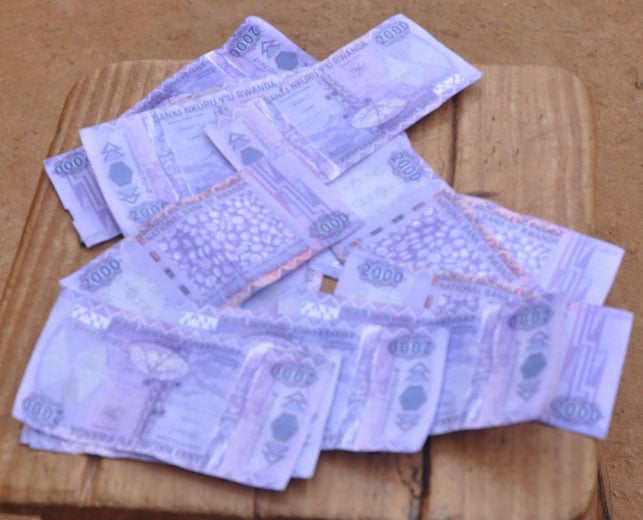
  • Rutsiro: Abakekwaho gucuruza amabuye y’agaciro mu buryo butemewe bafatanywe amafaranga y’amiganano #Rwanda #RwOT via @kigalitoday #rwanda #RwOT

    Ayo mafaranga yari agizwe n’inoti z’igihumbi n’iz’ibihumbi bibiri. Aba bagabo baranakekwaho gucuruza amabuye y’agaciro bitemewe n’amategeko ari nabwo buryo babonyemo aya mafaranga y’amiganano.

    Umuvugizi wa Polisi mu Ntara y’Iburengerazuba, Chief Inspector of Police (CIP) Bonaventure Twizere Karekezi, yavuze ko kugira ngo bariya bagabo bafatwe byaturutse ku makuru yatanzwe n’abaturage.

    Yagize ati “Ndayambaje yagiye kurangura inzoga(byeri) yishyura amafaranga y’amahimbano. Abaturage bahise batanga amakuru Ndayambaje arafatwa na we ahita avuga ko Munyakinyaga na we ayafite.”

    CIP Karekezi akomeza avuga ko Ndayambaje yavuze ko na Munyakinyaga afite amafaranga y’amiganano ngo kuko uwayamuhaye ari umuturage wo mu Karere ka Ngororero witwa Bazimaziki Innocent ucuruza amabuye y’agaciro, yari yazanywe na Munyakinyaga kandi na we hari ayo yamusigiye.

    CIP Karekezi yagize ati “Byahise bigaragara ko Ndayambaje yacuruzaga amabuye y’agaciro mu buryo bunyuranyije n’amategeko. Amaze gufatwa yavuze ko ayo mafaranga yayabonye amaze kugurisha ibiro 30, ayagurisha uwitwa Bazimaziki Innocent wo mu Karere ka Ngororero wamuhaye amafaranga ibihumbi 280, bikekwa ko yose ari amahimbano. Ndayambaje yahise atanga amakuru ko uwo mucuruzi yamuzaniwe na Munyakinyaga Samuel na we abapolisi baramushatse baramufata bamusangana ibihumbi 24 na yo y’amiganano.”

    Iyi nkuru Kigali Today ikesha Polisi y’u Rwanda ikomeza ivuga ko aba bagabo bombi bemera ko amafaranga bafatanywe bayakiriye bakanayakoresha batazi ko ari amahimbano. Bombi bahise bashyikirizwa Urwego rw’Ubugenzacyaha(RIB) rukorera muri sitasiyo ya Polisi ya Murunda kugira ngo hatangire iperereza.

    Umuvugizi wa Polisi mu Ntara y’Iburengerazuba yashimiye abaturage bagize ubushishozi bakamenya ko ayo mafaranga ari amahimbano ndetse bakihutira gutanga amakuru. Yasabye n’abandi bose cyane cyane abacuruzi kujya bagenzura bakareba ko amafaranga bahawe ari mazima cyane cyane inoti nshya. Yavuze ko aba bagabo bakurikiranyweho ibyaha bibiri ari byo gukoresha amafaranga y’amiganano ndetse no gucuruza amabuye y’agaciro mu buryo butemewe n’amategeko.

    Itegeko nº68/2018 ryo ku wa 30/08/2018 riteganya ibyaha n’ibihano muri rusange ingingo ya 269 ivuga ko umuntu wese, ku bw’uburiganya wigana, uhindura amafaranga y’ibiceri cyangwa inoti akoreshwa mu Rwanda cyangwa mu mahanga, ibyakwitiranywa na yo, impapuro zifite agaciro k’amafaranga y’igihugu zashyizweho umukono n’inzego zibifitiye ububasha, ziriho tembure yayo cyangwa ikirango cyayo, cyangwa izindi mpapuro zikoreshwa mu Rwanda cyangwa mu mahanga, uzana cyangwa ukwiza mu Rwanda izo mpapuro n’izo noti azi ko ziganywe cyangwa ko zahinduwe, aba akoze icyaha. Iyo abihamijwe n’urukiko, ahanishwa igifungo kitari munsi y’imyaka itanu (5) ariko kitarenze imyaka irindwi (7).

    Itegeko N° 58/2018 ryo ku wa 13/08/2018 ingingo ya 54 ivuga ko Umuntu wese ushakashaka, ucukura, utunganya, ucuruza amabuye y’agaciro cyangwa kariyeri nta ruhushya, aba akoze icyaha. Iyo abihamijwe n’urukiko, ahanishwa igifungo kitari munsi y’amezi abiri (2) ariko kitarenze amezi atandatu (6) n’ihazabu y’amafaranga y’u Rwanda atari munsi ya miliyoni imwe (1.000.000 FRW) ariko atarenze miliyoni eshanu (5.000.000 FRW) cyangwa kimwe gusa muri ibyo bihano.

    source https://www.kigalitoday.com/umutekano/imbere-mu-gihugu/article/rutsiro-abakekwaho-gucuruza-amabuye-y-agaciro-mu-buryo-butemewe-bafatanywe-amafaranga-y-amiganano

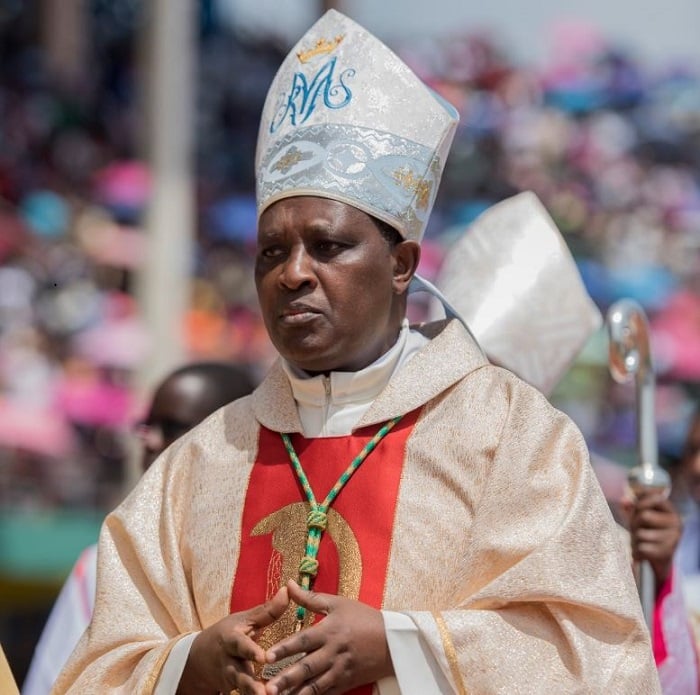
  • Musenyeri Antoine Kambanda yagizwe Karidinali #Rwanda #RwOT via @kigalitoday #rwanda #RwOT

    Musenyeri Antoine Kambanda yatorewe kuba Karidinali
    Musenyeri Antoine Kambanda yatorewe kuba Karidinali

    Papa Francis yabitangaje kuri iki Cyumweru tariki 25 Ukwakira 2020, Musenyeri Antoine Kambanda akaba abaye Umunyarwanda wa mbere ugizwe Karidinali.


    source https://www.kigalitoday.com/amakuru/amakuru-mu-rwanda/article/musenyeri-antoine-kambanda-yagizwe-karidinali

  • Pope Elevates Archbishop Antoine Kambanda To Cardinal #rwanda #RwOT

    The Vatican on Sunday announced that the Church will have thirteen new Cardinals. One of these new cardinals is Archbishop of Kigali Antoine Kambanda- he is now Cardinal Antoine Kambanda.

    According to the Vatican nine of the new cardinals are younger than 80 and therefore, have the right to participate in a future conclave. Four others are older than 80 years of age.

    Pope Francis's announcement came as a surprise, after the recitation of the Angelus of Sunday, 25 October. He communicated the news regarding the creation of the new cardinals to the faithful present in St Peter's Square as well as to those connected throughout the world.

    Two of the new Cardinals work in the Roman Curia: the Secretary General of the Synod of Bishops, Maltese Mario Grech and the Italian Marcello Semeraro, former Bishop of Albano and the new Prefect for the Congregation of the Causes of Saints.

    Six other pastors in the Church throughout the world are joining them: the Archbishop of Kigali, Rwanda, Antoine Kambanda; the Archbishop of Washington, United States, Wilton Gregory; the Archbishop of Capiz, in the Philippines, Jose Fuerte Advincula; the Archbishop of Santiago, Chile, Celestino Aós Braco; the Apostolic Vicar of Brunei, Cornelius Sim; the Archbishop of Siena, Italia, Augusto Paolo Lojudice.

    In addition, the Pope has also appointed the current Guardian of the Franciscan Sacro Convento in Assisi, Mauro Gambetti.

    To these Cardinals who are younger than 80 years of age, Pope Francis has also added four other Cardinals who are older than 80. They are: Felipe Arizmendi Esquivel, Archbishop Emeritus of San Cristóbal de Las Casas (Mexico); former Apostolic Nuncio Silvano Tomasi, former permanent observer at the United Nations in Geneva who then worked in the Dicastery for Promoting Integral Human Development; Capuchin Father Raniero Cantalamessa, preacher of the Papal Household; and the pastor of the Shrine of Divine Love, Father Enrico Feroci.

    Cardinals wear the colour red which indicates their willingness to sacrifice themselves usque ad sanguinis effusionem, that is, to the point of sheding their own blood, in the service of the Successor of Peter, and even though they reside in the remostest regions of the world, they become the titular of a parish in the Eternal City so that they are incardinated in the Church of which the Pope is Bishop.


    Vatican News


    The post Pope Elevates Archbishop Antoine Kambanda To Cardinal appeared first on Taarifa Rwanda.

    Source : https://taarifa.rw/pope-elevates-archbishop-antoine-kambanda-to-cardinal/

  • Start Quail Farming And Harvest Stress-free Money #rwanda #RwOT

    In Rwanda this bird is known as Inkware, but takes on other names across the African continent. In English it is called 'Quail' bird?

    Without wasting much of your time, the meat and eggs of quail are very tasty and nutritious. The Quail eggs are very nutritious than other poultry eggs. To meet the demand for Food and Nutrition, Quail farming is playing a vital role.  You don't even require much capital investment for this.

    Quail Farming is one of the silent poultry businesses that farmers involved are making large sums of income and you will be shocked if you also tried it out. Here is some of the vital information gathered for you to get started.

    How Long Does It take to get the returns?

    Quail generally survive for 3 to 4 years. An adult quail weights between 150 to 200 grams. Female quails start laying eggs from their 6 to 7 weeks of age. Each egg weights between 7 to 15 grams. They lay more than 300 eggs per year. Their eggs are very beautiful. Presence of light increases the egg productive efficiency of quails. They usually lay eggs at afternoon. It takes about 17 days to hatch their eggs.

    A newly born quail chick weights around 6 to 7 grams. Quail never incubate their eggs. For successful breeding, purpose keeps one male quail with every five female quails. Quail chicks become very sensitive and take about two weeks to be strong enough. Eggs of 9 to 11 grams weight with smooth and hard eggshell are perfect for hatching and producing chicks.

    Egg Production

    Presence of adequate light is highly recommended for desired egg production from your quails. You can provide artificial light and heat by using electric bulb or heater. You can use 40 to 100 watt bulb for this purpose. Demand of light and heat varies depending on the season. If you want successful breeding and want to hatch their eggs, then keep one male with every five female quails. For getting better egg production, select highly productive  breeds and always keep their house dry and clean.

    Egg production also depends on temperature, feeding, water, care and management. To get desired egg production from your quails, light play a vital role. Lightening period of laying quails is shown below through a chart.

    Raising Quail Chicks

    Quails never incubate their eggs. So, you can produce chicks by hatching their eggs through chickens or artificially through using incubators. The incubation period for quail egg is about 16 to 18 days. For maximum egg production, 16 hours of a lighting period is required daily inside the quail house. Keep newly born quail chicks in a brooder house.

    Chicks need artificial heat and temperature management system for 14 to 21 days from their birth. Quail chicks become very sensitive. They can be raised in both litter and battery system. Keep in mind the following factors while raising quail chicks.

    Adequate temperature, Sufficient light, Proper air movement , Density of quail chicks , Supply of food and water, Hygienic rearing rules.

    Advantages of Quail Farming

    Quails are smaller sized poultry birds, and it's very easy to handle them. The main benefits of starting quail farming business are listed below.

    • Quails are smaller sized bird, so they can be raised within small place.
    • Feeding cost of quails is comparatively lower than chickens or other poultry birds.
    • Diseases are less in quails, and they are very hardy.
    • Quails grow very fast and gain maturity faster than any other poultry birds.
    • They start laying eggs within their 6 to 7 weeks of age.
    • It takes about 16 to 18 days to hatch their eggs.
    • Meat and eggs of quail are very tasty, delicious and nutritious. So it's a great source of food and nutrition.
    • Quail farming needs small capital, and labour cost is very low.
    • Quails can be raised successfully in commercial method. Some people have already started commercial quail farming business.
    • Quails are very strong bird and diseases or other health problems are less. So risks are less in this business.
    • You can raise 6 to 7 quails in the same place that is required for one chicken.
    • As the quail eggs are smaller in size, so the price is also lower than other bird's egg. As a result, all types of people can buy quail eggs and you can easily sell the eggs.

    Feeding

    For keeping your quails healthy, proper growing and highly productive, provide them balance feed regularly. An adult quail consumes about 20 to 25 grams of food daily. Chick feed should contain 27 percent  and adult feed 22-24 percent of protein. A chart of balanced feed for quails is shown below.

    Diseases

    Diseases are less in quails, compared to other poultry birds. But you have to take good care and manage them properly, to keep them free from all types of diseases or illness. Good care and management is a must for profitable quail farming business.

    Generally, they are not provided with any disease preventive vaccines. Quail chicks can't tolerate weather change and sudden temperature change. So they get affected by the disease if they experience sudden temperature or weather changes. Be very careful during this period. Following diseases are very harmful to the quails.

    • Coccidiosis:  If the quails get affected by coccidiosis disease, serve them coaxial 20 by mixing with water (two grams per litter) for three days. Otherwise, feed this according to the advice of a veterinarian.
    • Ulcerative Enteritis: Mix one gram streptomycin with one liter water and serve it to the quails for three days. This will stop ulcerative enteritis disease.

    Hygienic Quail Farming Tips

    To keep your quails healthy and productive: Always try to keep their house dry and clean.

    • Ensure proper movement of light and air inside their house.
    • Keep different aged quails separated from each other.
    • Separate the disease affected quails from the healthy one.
    • Burn the dead bird or put under soil.
    • Don't allow other birds, animals or unknown persons enter inside your farm quail house.
    • Ensure hygienic and balanced feed supply.
    • Provide adequate fresh and clean water according to their demand.


    compiled from farming method

    The post Start Quail Farming And Harvest Stress-free Money appeared first on Taarifa Rwanda.

    Source : https://taarifa.rw/start-quail-farming-and-harvest-stress-free-money/

  • Why Kabila-Tshisekedi Alliance Collapsed #rwanda #RwOT

    Under the scorching sun on January 24, 2019 in the Congolese capital Kinshasa, Félix Tshisekedi stammered his words of speech, after taking oath, making history as the very first president to come to power following a democratic and peaceful transfer of power.

    The new President is said to be uneasy about the bulletproof vest, which he is not used to wearing. The thousands of Kinshasa who had invaded the Palais de la Nation to celebrate this historic day began to pray in unison. The president will recover, and will continue his speech. But the superstitious see it as a sign, that of fate, that of a difficult mandate that is beginning. Almost 20 months later, reality seems to be confirmed.

    Litsani Choukran, the Founder of Politico observed through an editorial of his publication that Félix Tshisekedi was not prepared to become Head of State. At least he didn't have the time. By the way, no one in the DRC is prepared.

    Etienne Tshisekedi's son has long been in the forefront of Cartesian management of his father's party. Several witnesses also attest that during his lifetime, Etienne Tshisekedi did not want his own children to interfere in political action. 'Etienne Tshisekedi was very skeptical of his son's abilities. He was very demanding of his son ', explained Albert Moleka, former director of Etienne Tshisekedi's cabinet. 'He was someone who fought for the people and he was not going to give his son a pass.'

    It was not until the 2015 that saw Felix Tshisekedi really begin his rise to the head of the party, largely helped by his mother, Marthe Tshisekedi, while his father is increasingly weakened by age and disease. At that time, the UDPS had already dragged its feet on the political scene for a long time, but Joseph Kabila would nonetheless extend a pole to his rival, whom he had faced since 2006.

    Kabila and Katumbi, The UDPS Resisted

    As the former president was nearing the end of his term, he noticed that Moïse Katumbi opposed him, and was winning a large part of his presidential majority. A political battle to the death begun. Etienne Tshisekedi becomes the wife everyone would like to have. Joseph Kabila passed in November 2015 before the two Chambers of Parliament, meeting in Congress, to call for dialogue, highlighting logistical difficulties which could, he said, delay the elections. Katumbi quickly understands the maneuver.

    But he must wait. Because Kabila has sent to Europe his fine strategists, including Kalev Mutond and Néhémie Mwilanya, in discussions with Etienne Tshisekedi, to bring the UDPS back to dialogue. But Limete's old wolf, who has seen it all with Mobutu, feels the confusion coming. The sphinx dragged out discussions and ended up saying no, sometimes posing incredible conditions. Moïse Katumbi jumps at the opportunity, goes to Brussels and signs an agreement, with other opponents, who line up behind Tshisekedi, in the large platform of the Rally.

    Later in August 2016, the Sphinx floods the streets of Kinshasa with a human tide that accompanies him on his return to the country, after his long stay in Brussels. He's pumped up. Kabila, however, clings to his plan. The elections are postponed.

    The Constitutional Court, largely devoted to its cause, maintaining power. The army is deployed in the streets. Vital Kamerhe dreams of becoming Prime Minister, before being topped off by Samy Badibanga, barely debauched from the UDPS. But Etienne Tshisekedi is weakened by age. Moïse Katumbi has not only softened ideas vis-à-vis the UDPS.

    Marthe Tshisekedi feels everything coming. In August of the same year, in order to consolidate the alliance with Katumbi, a young man, presented at the time as originating from the Katanga region, was parachuted as Secretary General. This is Jean-Marc Kabund. Bruno Mavungu is ousted. But in these appointments, another man slips in; Felix Tshisekedi is named among the three Deputy Secretaries General of the UDPS.

    Difficult Succession of Felix Tshisekedi

    Behind this movement, the royal road opens for Felix Tshisekedi at the head of the party. However, he must fight against Bruno Tshibala and Valentin Mubake, two 'friends' of his father, who claim to be 'founders' of the party. On the other hand, with pressure from the international community, the Rally, led by UDPS and Katumbi, agrees to dialogue directly with Kabila.

    The talks of the interdiocesan center then began, which ended with the snatch, the night of December 31, 2016. Felix Tshisekedi has the advantage of being appointed Coordinator of the discussions, on the side of the Assembly. But the devastation is coming. On his way to Brussels for a simple 'check-up', Etienne Tshisekedi passes the weapon to the left, finished by a pulmonary embolism.

    Joseph Kabila's camp takes the opportunity to try a martingale. The special arrangement, which should give the Rassemblement the post of Prime Minister, and therefore Etienne Tshisekedi, is dragged on. His son, Félix Tshisekedi, hardly chosen by the platform to succeed his father, seems to meet opposition from Joseph Kabila.

    'The two have met several times, but Felix Tshisekedi was uncompromising and that did not help matters,' said a FCC executive. This is mainly because in the meantime, from the central prison of Makala where he was imprisoned, Bruno Tshibala then offered himself to Joseph Kabila, with the idea of ​​detaching the UDPS from the cup of Moïse Katumbi and its ally with the majority of the former president. On the other hand, Valentin Mubake, who senses Felix Tshisekedi coming, also wants to distance his two competitors.

    In April, when the Rally broke out, Joseph Kabila appointed Tshibala's faction, much more 'flexible' than that of Tshisekedi and Katumbi, to occupy the Prime Minister's office. A choice that 'veiled' the New Year's Eve agreement, also plunging the country into a deep crisis. The Catholic Church being of the same opinion, it led these talks, supports the faction of Felix Tshisekedi, which is now joined by Vital Kamerhe, disappointed not to have been appointed Prime Minister.

    Marches of Catholics, accompanied by opponents, are bloodily suppressed. But Joseph Kabila, suspected by opponents of always seeking either to run for a third term or to stay in power, takes everyone on the wrong foot and designates Emmanuel Ramazani as 'Dauphin'.

    Instead of the choice of Kabila only shaking his camp, he will rather make waves on the side of the opponents because in this month of July 2018, Félix Tshisekedi barely managed to be elected at the head of the UDPS, and must still find a way to break his agreement with Moïse Katumbi who, let us remember, was not allied with the UDPS for nothing.

    In any case, the former governor wanted Etienne Tshisekedi's party to side with his candidacy. But Joseph Kabila did not hear it that way. On the last day of the submission of candidatures, he cornered Katumbi at the gates of the DRC in Kasumbalesa. Here he is deprived of the Presidential election.

    We are in Geneva now. November 2018. While part of the opposition still refuses to go to elections with the voting machine, the UDPS takes all its partners on the wrong foot by accepting elections 'with or without machines'. The opposition is called upon to find a common candidate to beat featherweight Emmanuel Shadary. But in Switzerland, Felix Tshisekedi, who believes himself to be the favourite, is ambushed by Vital Kamerhe, who also dreams of being a candidate for everyone.

    But neither Bemba, who is coming out of 10 years in prison, nor Katumbi, let alone Fayulu and the others will dare to trust him. However, instead of throwing themselves behind Tshisekedi's son, here they are pulling out of their hats Martin Fayulu, an admittedly serious opponent who was not the most equipped to beat Kabila's camp. The sacred union of the opposition breaks out. And in a turnaround that only Congolese politics have the secret, Félix Tshisekedi and Vital Kamerhe will sign a historic coalition agreement in Nairobi, sponsored by Uhuru Kenyatta, the Kenyan president.

    Agreement may be at the root of the complications Felix Tshisekedi is going through at the moment. It is arguably the most unrealistic political deal in the world. Félix Tshisekedi obtains the agreement of unconditional support from Vital Kamerhe, as the latter is designated the future prime minister of the future president in the event of a presidential victory which is fast approaching.

    In return, at the next presidential election, that is to say in 2023, it will be Félix Tshisekedi's turn to support the candidacy of Vital Kamerhe, then becoming his Prime Minister. But the agreement is signed mostly in disbelief by its own signatories.

    Because in this month of November 2018, nothing augurs well for the electoral results where the candidate of Joseph Kabila could lose. In any case, that is what people close to the former president themselves believe. And suddenly, neither Felix Tshisekedi, nor Vital Kamerhe, take the time to coldly analyze their mutual promises.

    The electoral battle is on. Félix Tshisekedi and Vital Kamerhe create FatshiVit, which stops time in Kinshasa. Martin Fayulu becomes a phenomenon, Emmanuel Shadary counts his supporters, but prophesies his victory all the same. The rest being known. But the disillusion that will arise from it remains the heart of this analysis.

    Let us remember that Felix Tshisekedi and Vital Kamerhe prevail and spectacularly ally themselves with Joseph Kabila, in terms that will remain unknown to this day, without being sincere. Because at the beginning of this mandate that the Congolese populations are waiting for, reminding Felix Tshisekedi 'dad said, the people first', both on the side of Kabila than that of Tshisekedi, the coalition is seen as 'a lesser wrong '.

    Including on the side of the international community. For the LAMUKA coalition, an alliance formed between Moïse Katumbi, Antipas Mbusa Nyamwisi, Freddy Matungulu, Adolphe Muzito, Jean-Pierre Bemba, who supported the candidacy of Martin Fayulu, this victory of Tshisekedi and his alliance with Kabila are experienced differently. Matungulu and Nyamwisi quickly dry up the group. Just like Gabriel Kyungu.

    Félix Tshisekedi is, in fact, in the least envious position. He is elected, comes to power and sees the eyes of the people on him. He must relax the country, starting with a political lull: an end to arrests, the release of political prisoners, and the restoration of individual freedoms. Because the DRC comes from a period when the internet connection could be cut unilaterally. Initiatives that the new president will soon take. However, far from being special, such achievements cannot be part of the plate of the common people.

    Félix Tshisekedi is also gripped by his own party, where the succession of Etienne Tshisekedi has never been settled. Jean-Marc Kabund sits there like a King, in a party which has never hidden its tribal preferences, and which is always learning democratic exercise. But perhaps the hardest part is that the UDPS is stripped of the frames of experience.

    All those who once accompanied Félix Tshisekedi's father are no longer there. While the people are hungry, with an already degrading economic situation, Félix Tshisekedi has spent his entire electoral campaign making promises, at the head of a party that has been dreaming for 30 years. He comes to power with an entourage that has never run a state! Who to lead with?

    At the FCC, the coalition of Joseph Kabila, the presidential defeat leaves a bitter taste and resentment. Emmanuel Shadary will never get over it. Many, around the former president, are then created an illusion, the one that makes Felix Tshisekedi a 'puppet', that we could manipulate as we please, the time to regain power in 2023. In the understanding of Kabilist executives, especially since they strangely managed to win the legislative elections with an overwhelming majority, Felix Tshisekedi, who will not be able to govern without them, is like a lion in a cage.

    If Felix Tshisekedi is not sufficiently uncomfortable by the Kabilist allusions and plans, he still has to answer for the reading of the LAMUKA coalition. Moïse Katumbi calmly sits down in Lubumbashi, after an eventful return to the country. Kabila is still mad at him. Armed with his Congolese passport, he only has to pray that 2023 arrives quickly and that the Kabila-Tshisekedi coalition fails in power. For his part, Jean-Pierre Bemba dreams of a constitutional revision to become a candidate again, when he is excluded for life, after being convicted of witness tampering by the International Criminal Court (ICC). Martin Fayulu, who has had a taste of popularity, still believes he is president, even though no one is listening. He is nevertheless supported by his 'brother' Adolphe Muzito, who, like everyone else, has no interest in Tshisekedi and Kabila succeeding.

    On the side of the international community, marriage at the top of the country is tolerated, but only as a springboard to further weaken Joseph Kabila. Washington and his special envoys in Kinshasa therefore do not see Felix Tshisekedi as a President who could work for the real development of the country, to whom the United States would give the means, but rather as a president of a transition during which they could take advantage to finish with Kabila. The latter knows it.

    Also, his fight against the United States continues around Felix Tshisekedi. In the street, on the side of specialists, the new president is also pushed to the limit. 'Joseph Kabila has not left the political field at all.

    He also has the levers within the economy and the influence in the field of the army ', explains Jean-Claude Félix Tchicaya, researcher for the Institute of Prospective and Security in Europe (IPSE),' Tshisekedi has tied his feet. and fists when he accepted the coalition agreement, which puts part of the government in difficulty. He is a fragile and weakened president, 'adds the academic.

    Politico Magazine

    Cracks Emerge in Tshisekedi-Kabila Coalition

    The post Why Kabila-Tshisekedi Alliance Collapsed appeared first on Taarifa Rwanda.

    Source : https://taarifa.rw/why-kabila-tshisekedi-alliance-collapsed/

  • Cow's Hind Limbs Cut, Owner Suspected #rwanda #RwOT

    Residents of Gacaca Sector in Musanze district are in shock after a cow was found in deep pain with its hinds limbs cut. The owner is highly suspected.

    The incidence took place at Gahama village, Gakoro cell- the cow under zero grazing was provided to Mugabo Innocent under the One Cow Per family program.

    According to Mugabo, in the wee hours of the night, he heard people walking past his house and quickly moved out to check on them. He found they were carrying a sick person to the hospital. He said later, he walked to the Kraal and found his cow in a pool of blood and immediately alerted the security personnel.

    Mukankusi Eugénie the cell Executive Secretary confirmed the incidence but noted that Mugabo was highly suspected of having a hand in this despicable act because this is not the first time such an incidence was happening in his own home.

    'During Covid-19 lockdown, this same cow was cut on the head and front limb but Mugabo reported the matter very late,' Mukankusi said, adding that area residents suspected him.

    Meanwhile, its calf was also recently stolen and its whereabouts are unknown till today. Mugabo is suspected of having connived with other people to aid the disappearance of the calf which he was supposed to hand over to another person under the One cow per family arrangement.

    Mugabo is being questioned by Rwanda Investigation Bureau at Cyuve  station as investigations continue .

    IGIHE

    The post Cow's Hind Limbs Cut, Owner Suspected appeared first on Taarifa Rwanda.

    Source : https://taarifa.rw/cows-hind-limbs-cut-owner-suspected/