Blog

  • Nigeria: Umunyarwenya Emmanuella w’imyaka 10 yatunguye umubyeyi we amumurikira inzu yamwubakiye #Rwanda #RwOT via @kigalitoday #rwanda #RwOT

    Emmanuella Samuel, imbere y
    Emmanuella Samuel, imbere y’inzu yubakiye ababyeyi be

    Emmanuel yakoresheje inyungu akura ku byo atangaza ku mbuga nkoranyambaga (Youtube) maze yubakira ababyeyi be inzu.

    BBC yavuze ko uyu mwana yatangaje ko yifuje kububakira inzu y’igorofa (etaje) ariko ko atari Aliko Dangote umukire wo muri Afurika, bityo ko yubatse ihwanye n’ubushobozi abona.

    Emmanuel yongeyeho ko kandi yishimiye kuba abashije gusohoza isezerano yagiriye nyina umubyara, ubwo yamubwiraga ko azamwubakira inzu, kuri we ngo abona nyina akwiriye gutura mu muturirwa, ariko ubwo ni bwo bushobozi afite kandi avuga ko atari buterere iyo ngo ategereze ko azagwiza ayo kubaka umuturirwa.

    Uyu mwana w’umunyarwenya ufite imyaka 10 yatangiye umwuga wo gusetsa abantu kuri Youtube afite imyaka 5.

    Emmanuel yashimiye umusore bakorana akazi kabo bakunze kwita Uncle Mark, kuko ngo yashakaga kugurira Se imodoka ya kabiri ariko Uncle Mark amwibutsa isezerano yigeze kugirira nyina ryo kumwubakira, inzu bityo amusaba gutangira kwizigamira akazabasha gusohoza isezerano.

    Emmanuel yahise asaba ucunga umutungo we gutandukanya amafaranga akorera, hakavamo ayo gufasha abana b’imfubyi, ayo kubaka inzu ya nyina, ubwizigamire bwe ndetse n’ayo gufasha umuryango we mu buzima busanzwe.


    source https://www.kigalitoday.com/imyidagaduro/urwenya/article/nigeria-umunyarwenya-emmanuella-w-imyaka-10-yatunguye-umubyeyi-we-amumurikira-inzu-yamwubakiye

  • Ntibisanzwe! Abana b'abakobwa 3 bavukana batewe inda n'umukozi wo mu rugo bose babyaye impanga #rwanda #RwOT

      Mu ntara ya Tana River mu gihugu cya Kenya, umugabo wakoraga akazi ko gusukura no kwita ku busitani mu rugo rumwe rwo muri ako gace,  yateye inda abana b'abakobwa 3 bo muri urwo rugo yakoragamo none bose bibarutse impanga.

      Ikinyamakuru Nairobi News kivuga ko aba bana bavukana bari bafite imyaka 16, bagombaga gukora ibizamini bya Leta muri Werurwe umwaka utaha ariko bose babyaye abana b'impanga mu cyumweru gishize.

      Nkuko nyina, abaganga bo mu bitaro bya Malindi na Kilifi babitangaje, banze kubaga aba bana kuko ngo bumvaga ko bashoboraga gupfa ndetse babasaba ko nibura kugira ngo babeho bahomba umwana umwe wabo cyane ko bari batwite impanga bose.

      Uyu mubyeyi wabo yagize ati 'Nanze ko abana babo bicwa. byari igitambo, nubwo mu buryo bwa siyansi byumvikanaga ariko mu buryo busanzwe ntabwo wabyumva.'

      Nyuma y'iminsi 3 bashakisha aho babyarira,uyu mubyeyi yabonye ibitaro byigenga byabaga abana be bakabyara ndetse babyara neza uretse mukuru wabo wari utwite abana 3 wemeye guhomba umwana umwe kubera inama ya muganga wamubwiye ko yashoboraga kumuhitana. Umwe mu baganga yabwiye abanyamakuru .

      Ati: 'Bose amahirwe yabo yo kubaho yari make ariyo mpamvu twashatse umuganga kabuhariwe. Umwana umwe wari utwite abana 3 kugira ngo we abeho twasabye nyina ko yahitamo umwana we cyangwa uruhinja rumwe.'

      Aba bakobwa babwiye ikinyamakuru Nation ko uyu mugabo wabateye inda yahise ahunga nyuma yo kumenya ko bose batwite.

      Umwe yagize ati: 'Ntabwo twari tuzi ko adusambanya twese kuko ntabwo twabwiranaga amabanga kuko ntitwizeranaga.'

      Aba bangavu bavuze ko uyu mugabo yajyaga abajyana mu masambu kugira ngo abasambanye. Umwe muri bo yavuze ko yajyaga atoroka nijoro akajya gusambanira nawe mu nzu yabagamo.

      Ati: 'Yakundaga kumpa amafaranga yo kurya ku ishuri ndetse rimwe na rimwe yanguriraga imyenda. Yangiriraga neza. Ntabwo nari nzi ko abikorera n'abavandimwe banjye.'

      Nyina usanzwe yarabyaye abana 5 yavuze ko atigeze amenya ko uyu mukozi we yasambanyaga abana be uretse umuto yabonanye udukweto tudasanzwe n'utwenda tw'imbere atigeze amugurira.

      Ati: 'Naje kubona afite utwenda tw'imbere tudasanzwe tuntera kwibaza. Yakomeje kumbwira ko abigura mu mafaranga yo kurya ku ishuri muha. Icyo ntasobanukiwe n'impamvu akunda kugura imyenda y'imbere idasanzwe.'

      Uyu mugore yavuze ko yakomeje kuba mu mwijima kugeza ubwo yarebye muri telefoni y'umukobwa we agasangamo ubutumwa bubwira uyu mukozi ko atwite inda y'ibyumweru 3.

      Muri ubu butumwa ngo bari bapanze uburyo bwo gukuramo inda ndetse ngo n'imipango yari yanogejwe.

      Ati: 'Mu buryo butunguranye, bose bamenye ko batwite bapanga uburyo bwo gukuramo inda ariko ku munsi wakurikiyeho twarabafashe tujya kubapimisha, umwe aza gucika ariko bose basanze batwite.'

      Uyu mugabo wateye inda aba bana yaburiwe irengero ndetse na polisi ivuga ko nta makuru ye barabona cyane ko ngo na telefoni ye yavuyeho.

    Source : https://impanuro.rw/2020/11/25/ntibisanzwe-abana-babakobwa-3-bavukana-batewe-inda-numukozi-wo-mu-rugo-bose-babyaye-impanga/

  • How President Biden's top Diplomat to UN Linda Thomas-Greenfield survived during the 1994 Genocide against Tutsi in Rwanda #rwanda #RwOT

    Linda Thomas-Greenfield is an American diplomat who served as the Assistant Secretary of State for African Affairs in the United States Department of State's Bureau of African Affairs from 2013 to 2017. She is a senior counselor at Albright Stonebridge Group in Washington, D.C.

    In 2012, Thomas-Greenfield became Chief of Staff of States Department and Director of Personnel between 2012 and 2013.

    In 2013, he was appointed Deputy Secretary of State for Africa, where she focused on her country's activities in sub-Saharan Africa in projects such as the fight against Ebola and more. After Trump took office, he was removed from office in 2017.

    In November 2018 while giving a talk in Virginia, she returned to her life, from an early age, as she never had the opportunity to see educated people even in her childhood family.

    Her mother had eight children, but she decided to raise eight others who did not have families in neighboring areas. She described how he grew up in a poor, discriminatory society, etc.

    She later graduated and entered diplomacy. 'It made me travel all over the world but in April 1994 I arrived in Kigali, Rwanda. And I remember that there was a Genocide in Rwanda in April 1994.'

    In April 1994 she was sent to Rwanda on an official visit to assess refugee conditions, but two days after she arrived, the plane of Rwandan President Juvénal Habyarimana was shot down, and the genocide broke out.

    Six-feet tall and black, Thomas-Greenfield was mistaken for a Tutsi.

    Hutu soldiers held a machine gun to her head, while she begged for her life, emphasizing her Louisiana accent: 'I don't have anything to do with this. I'm not a Rwandan. I'm an American.'

    'I looked at the young man in the face and asked his name. I wanted him to know my name, because I wanted him to kill me so that he would know the name of the person he killed.'

    She then watched as the soldiers killed a Tutsi gardener. A few days later, she was allowed to leave Rwanda.

    In 2016 when she was the US Deputy Secretary of State for Africa, she praised Rwanda's efforts to accommodate more than 70,000 Congolese and Burundian refugees fleeing the unrest that had intensified in their country.

    In July of that year, she visited Rwanda, went to the Kigali Genocide Memorial to pay tribute to the innocents' lives killed in 1994 Genocide against Tutsi, and said that the visit had great meaning for her.

    Linda Thomas-Greenfield is the U.S Ambassador to UN as appointed the U.S Elect President Joe Biden

    28

    The post How President Biden's top Diplomat to UN Linda Thomas-Greenfield survived during the 1994 Genocide against Tutsi in Rwanda appeared first on TOP AFRICA NEWS.

    Source : https://www.topafricanews.com/2020/11/25/how-president-bidens-top-diplomat-to-un-linda-thomas-greenfield-survived-during-the-1994-genocide-against-tutsi-in-rwanda/?utm_source=rss&utm_medium=rss&utm_campaign=how-president-bidens-top-diplomat-to-un-linda-thomas-greenfield-survived-during-the-1994-genocide-against-tutsi-in-rwanda

  • Prof Shyaka yagiye muri Kangondo kubasaba kwimuka mu gishanga n’akajagari #Rwanda #RwOT via @kigalitoday #rwanda #RwOT

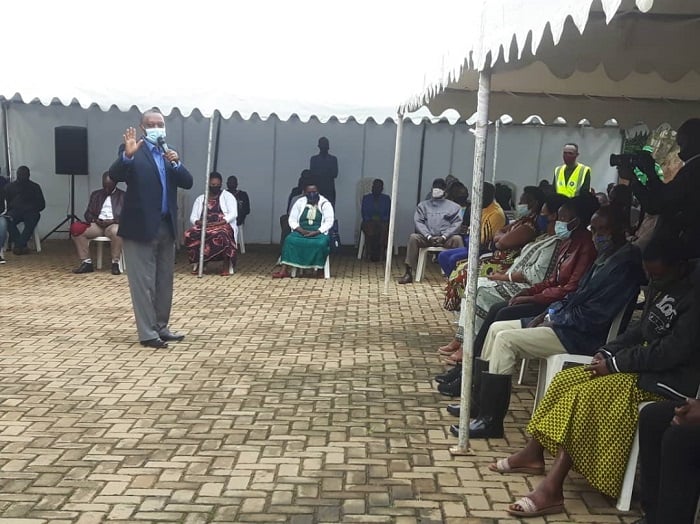
    Prof Shyaka aganira n
    Prof Shyaka aganira n’abaturage ba Kangondo na Kibiraro ya mbere

    Muri abo baturage harimo imiryango 48 yari itishoboye irimo kubakirwa mu Busanza mu Karere ka Kicukiro, bakaba bazimurwa ku cyumweru tariki 29 Ugushyingo 2020.

    Imibare yatanzwe n’abakoze ibarura ivuga ko muri Kangondo na Kibiraro ya mbere hatuwe n’imiryango 246, harimo 73 ibarwa nk’ituye mu gishanga, isigaye ikaba ituye mu nzu zitwa akajagari.

    Umujyi wa Kigali uvuga ko mu miryango irenga ibihumbi bitandatu na magana ane (6,400) yakuwe mu bishanga, abazafashwa kubona inzu zo kubamo bari batuye muri Kangondo na Kibiraro ari imiryango 35.

    Prof Shyaka yabwiye abaturage bo muri Kangondo na Kibiraro bamaze igihe binubira ko basenyewe ntibahabwe ingurane, ko bitavuze ko Leta yabo ibanga.

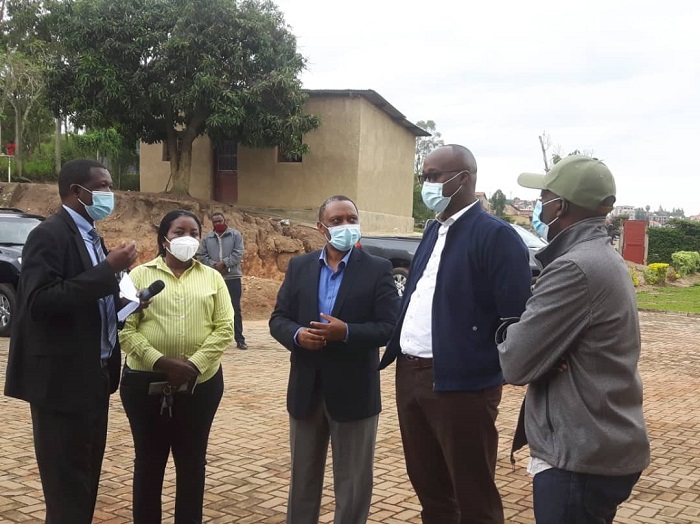
    Prof Shyaka yabanje kumva abayobozi b
    Prof Shyaka yabanje kumva abayobozi b’Umujyi wa Kigali ku kibazo cy’abaturage ba Kangondo

    Yagize ati “Perezida wa Repubulika arabakunda,… muri abacu turi abanyu, ibibazo turabishakira ibisubizo nubwo byaba bisharira. Ubu noneho twaje, turifuza ko abaturage bose babona aho bakika umusaya muri uyu mujyi, apana ahandi”.

    Minisitiri w’Ubutegetsi bw’Igihugu avuga ko yashimye mu Busanza aho bamwe muri abo baturage bagiye kwimukira, ababwira ko ibyangombwa bakeneye byose bihari, birimo amazi, amashanyarazi, imihanda ndetse n’inzu nziza.

    Prof Shyaka yakomeje avuga ko inzego zishinzwe kwimura abo baturage bo muri Kangondo na Kibiraro zatinze ariko ko ubu zigiye kugira vuba bakahava.

    Ati “Turabizi ko inzu zubatswe ari nke, ariko izisigaye tuzazubakana namwe”.

    Ikibazo cyatumye inzego za Leta zitinda kwimura abo baturage nk’uko Minisitiri w’Ubutegetsi bw’Igihugu abivuga, ni umubare w’imiryango yarenze 246 ubu ikaba irenga 1,000 bitewe n’uko hari myinshi y’abafitanye isano yari yabaruwe nk’umuryango umwe.

    Prof Shyaka asaba aba baturage kwihangana kandi ntihabemo “uwigira igihazi (icyihebe)” gishobora guhungabanya umutekano w’igihugu.

    Yavuze ko indi ntambwe igomba kugerwaho ari uko umuntu uzajya yubaka mu kajagari muri uyu Mujyi wa Kigali azajya ategekwa kwisenyera ibyo yubatse.

    Aba baturage ariko ntabwo banyuzwe kuko basaba Leta ingurane ikwiriye y’imitungo y’inzu bari batuyemo nubwo zitwa akajagari cyangwa zari ziri mu gishanga, ndetse izo bamwe barimo kubakirwa ngo ni nto, zinafite icyumba kimwe ku buryo batazibanamo n’abagize umuryango bose.

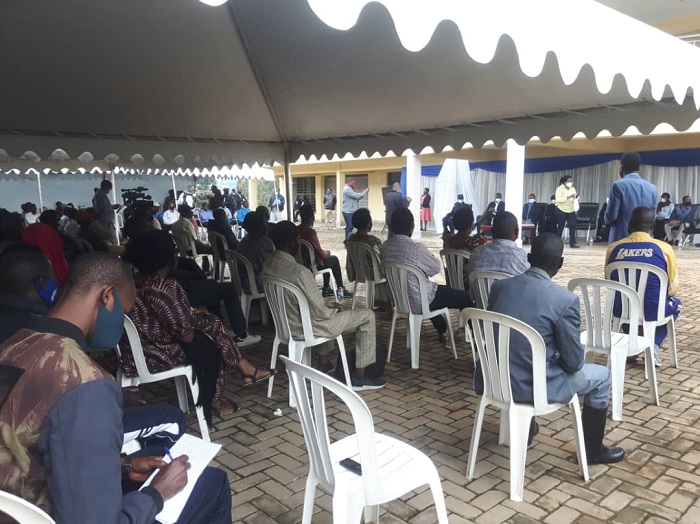
    Bitewe no kwirinda Covid-19, abaturage ba Kangondo na Kibiraro ya mbere bari bahagarariwe n
    Bitewe no kwirinda Covid-19, abaturage ba Kangondo na Kibiraro ya mbere bari bahagarariwe n’abantu bake mu nama bagiranye na Minisitiri w’Ubutegetsi bw’Igihugu

    Hari uwagize ati “Mu muco wacu ntaho abana b’abahungu barara mu cyumba kimwe n’abakobwa, none twebwe ababyeyi tuzararana mu cyumba kimwe n’abana b’abasore n’inkumi. Ubwo bizagenda bite! Iyo nzu jyewe ntayo najyamo, singiye kwisenyera urugo ndacyari muto”.

    Minisitiri w’Ubutegetsi bw’Igihugu yakomeje ashimangira ko ingurane y’amafaranga cyangwa inzu nini abo baturage basaba ari ibidashoboka, kuko ngo bishe amategeko bakubaka mu kajagari no mu gishanga.

    Avuga ko kuba hari abazubakirwa bitewe n’uko batishoboye atari ingurane ahubwo ari ubufasha Leta izaba ibageneye.

    Umunyamabanga Nshingwabikorwa w’Umurenge wa Remera, Karamuzi Godfrey, avuga ko Kangondo na Kibiraro ari imidugudu ituye nabi ku buryo kuhageza ibikorwa remezo bidashoboka, hakaba isuku nke ndetse ngo hamwe na hamwe gucukura ubwiherero ntibarenza santimetero 50 bataragera ku mazi.


    source https://www.kigalitoday.com/amakuru/amakuru-mu-rwanda/article/prof-shyaka-yagiye-muri-kangondo-kubasaba-kwimuka-mu-gishanga-n-akajagari

  • Abarimu baratangira kubona ibirarane biriho inyongera ya 10% uku kwezi #Rwanda #RwOT via @kigalitoday #rwanda #RwOT

    Imishahara iriho n’inyongera ya 10% igiye gutangwa nyuma y’Iteka rya Perezida No. 064/01 ryo ku wa 16 Werurwe 2020, rishyiraho sitati igenga abarimu bo mu mashuri y’incuke, abanza, ayisumbuye n’ay’imyuga n’ubumenyi ngiro, cyane cyane mu ngingo ya 73, igena ishyirwaho ry’umushahara mbumbe (gross) wa mwarimu, hakurikijwe icyemezo cya Guverinoma cyo kongerera abarimu 10% ku mushahara fatizo wabo.

    Ibaruwa ya Minisiteri y’Abakozi ba Leta n’Umurimo, igira iti “Nejejwe no kuboherereza ku mugereka, ibiranga imiterere y’umushahara uvuguruye ku barimu bose bo mu mashuri y’incuke, abanza, ayisumbuye n’ay’ubumenyi ngiro, igomba gutangwa guhera muri Nyakanga 2020. Ni muri urwo rwego abarimu bose bari mu kazi bagomba gutangira kwishyurwa ibirarane byo guhera muri Nyakanga 2020”.

    Kongera umushahara wa mwarimu byemerejwe mu Nama y’Abaminisitiri yateranye ku wa 28 Mutarama 2019, yari iyobowe na Perezida wa Repubulika Paul Kagame.

    Imishara mishya yagombaga gutangira kwishyurwa guhera muri Werurwe uyu mwaka ntibyakorwa, ariko ibaruwa ya MIFOTRA ntiyigeze ibitangaho ibisobanuro.

    Iyi nyongera ya 10% nitangira kwishyurwa, umushahara mushya ku mwarimu wo mu mashuri abanza uzahita uba 46,400FRW, mu gihe umwarimu wo mu mashuri yisumbuye azajya ahembwa 137,000FRW.

    source https://www.kigalitoday.com/uburezi/ibikorwa-by-uburezi/article/abarimu-baratangira-kubona-ibirarane-biriho-inyongera-ya-10-uku-kwezi

  • Ni gute imiterere y’amaraso (rhesus) iteza ibyago byo gukuramo inda? #rwanda #RwOT

    Ubusanzwe habaho ubwoko 4 bw’amaraso: A, O, AB na B bishatse kuvuga ko buri wese agira imiterere y’amaraso yitwa rhesus. Habaho rhesus positif igaragazwa n’aka kamenyetso (+) hakaba n’indi rhesus negatif igaragazwa n’aka kamenyetso (-)Hari igihe iyi resus iteza ibyago byo gukuramo inda nkuko mugiye kubisobanurirwa muri iyi nkuru.

    Hari ubwo abashakanye (umugabo n’umugore) babyara umwana wa mbere, akavuka neza nta kibazo, ariko inda zindi zikurikiyeho zikajya zivamo, rimwe na rimwe bikitwa amarozi, abazimu n’ibindi bitandukanye bitewe n’uko abantu babyumva n’imyizerere yabo.

    Mu kiganiro KT Radio yagiranye na Dr. Geneticien Mutesa Leon, arasobanura ibijyanye n’imiterere y’amaraso (rhesus) ndetse n’uko bigenda kugira ngo iteze ibyago byo gukuramo inda.

    Agira ati 'Iyo wakoresheje ikizamini cy’amaraso ukamenya ubwoko bw’amaraso yawe, ni byiza no kumenya imiterere y’amaraso ku bijyanye na Resus.

    Ndatanga urugero rusobanura impamvu ari byiza kubimenya, ni uko nk’iyo umubyeyi w’umugore afite Resus negatif (-), ku bwoko bw’amaraso ubwo ari bwo bwose umugabo afite Resus positif (+), birazwi ko bashobora kubyara umwana wa mbere nta kibazo ariko inda zindi zikurikiyeho zikagira ibibazo cyangwa zikajya zivamo.

    Ibi tubisobanura dutya: ubundi ikintu cyose kinjiye mu mubiri, ugerageza kukirwanya nk’indwara cyangwa se mikorobe. Ni yo mpamvu wa mugore ufite Resus negatif, umugabo afite Resus positif, iyo babyaye umwana akenshi umwana avuka afite Resus positif kuko iriganza'.

    Akomeza agira ati 'Mu gihe cyo kuvuka binyuze mu ngobyi, amaraso y’umwana yivanga n’ay’umubyeyi (wari usanzwe adafite abasirikare kuko rhesus negatif ntigira abasirikare) noneho, abasirikare bari mu maraso y’umwana (ufite Resus +) bagatuma umubyeyi atangira gukora abasirikare.

    Abo basirikare rero ni bo baba bazarwanya umwana wo ku nda ya kabiri uzaba afite rhesus positif bityo umubiri ntumwakire ikavamo'.

    Ku babyeyi badahuje resus ariko, ntibakwiye kwiheba kuko hari urukingo ruhabwa umubyeyi nkuko Dr. Mutesa abivuga.

    Agira ati 'Iyo tumenye ko uwo mubyeyi afite rhesus negatif tumuha urukingo akimara kubyara umwana wa mbere, rwo kwica abasirikare bari kuzarwanya umwana wa kabiri.

    source: kigalitoday.com

    [email protected]

    Source : https://agakiza.org/Ni-gute-imiterere-y-amaraso-rhesis-iteza-ibyago-byo-gukuramo-inda.html

  • Why Ghana needs a new financial sector regulation architecture (By Woelinam Dogbe) #rwanda #RwOT


    There is ample evidence that the existing financial sector regulation architecture in Ghana is not fit-for-purpose

    ACCRA, Ghana, November 25, 2020/ — By Woelinam Dogbe, President of the Alliance for Financial Consumer Protection (AFCOP)

    Ghana's financial sector is in crisis. A crisis occasioned by the collapse of over 300 financial institutions; and which has affected every division of the financial sector. Universal banks, savings and loans companies, microfinance companies, capital market institutions, and insurance companies have been impacted.

    While majority of the collapsed institutions were licensed and regulated, a few were unlicensed and ought not to have been in operation. The fact that the unlicensed institutions were allowed a free rein to operate until their eventual collapse, speaks volumes about the existing regulatory regime and the safety of financial consumers.

    Experts have identified the causes of the crisis to be: weak regulatory supervision, unethical behaviour by managers of the financial institutions, and poor corporate governance practices. In the specific case of the unlicensed institutions, their illegal activities flourished because of dereliction of duty on the part of regulators.

    The devastation caused by the crisis has been severe and widespread. Apart from financial losses, consumer confidence in the financial sector has been significantly weakened. Some consumers have lost their lives as a result of the trauma of having their life savings locked up in collapsed institutions.

    Unquestionably, there is the need for a regulatory regime that is fit-for-purpose. One that prioritizes the need to ensure the safety of institutions as well as prioritize the need to protect consumers. Thus, the necessity of regulatory reform is imperative.

    Presently, the regulators of Ghana's financial sector (i.e. Bank of Ghana — BOG, Securities and Exchanges Commission — SEC, National Insurance Commission — NIC and National Pensions Regulatory Authority — NPRA) have through their actions and inactions demonstrated that they prioritize Prudential Regulation ('ensuring financial institutions remain strong') to the neglect of Conduct Regulation ('ensuring the safety and fair treatment of consumers').

    This lopsided approach to financial sector regulation has resulted in consumers suffering unfair treatment and exploitation at the hands of financial service providers. Examples of the mistreatment of consumers include: unfair pricing practices, unconscionable loan terms, misrepresentation of risks associated with products, mis-selling, product pushing, poor handling of customer complaints, etc.

    The reform of financial sector regulation in Ghana must institutionalize conduct regulation and afford it the importance it deserves. This will require strong commitment from government to sponsor the needed legislation. This is the surest way to ensure the financial sector is safe and works well for all.

    State of financial consumer protection in Ghana

    Financial consumers in Ghana continue to suffer at the hands of financial institutions because of manifestly weak market conduct regulation. The present crisis has further exposed the deep-seated disregard and lack of commitment to financial consumer protection in Ghana.

    A careful review of the regulatory interventions and policy prescriptions that have been implemented or mooted following the crisis have centered on 'saving the institutions' with very little focus on 'protecting consumers'.

    While it is important to protect the institutions; because the safety of the institutions has implications for the safety of consumers' deposits and investments, it is equally important to proactively protect consumers and ensure they are treated fairly and are not exploited.

    Financial consumers are vulnerable and need to be protected from elements within the financial sector who would want to take advantage of this vulnerability to cheat consumers to rake in abnormal profits.

    There is a widespread practice within Ghana's financial services industry where providers; particularly banks and SDIs, arbitrarily increase fees on products and services that consumers have already signed on to. For example, it has become an annual ritual for banks and SDIs to upwardly review fees such as account maintenance fees, card maintenance fees, transaction fees etc. The only obligation the central bank has placed on the banks and SDIs is for them to give customers at least a 30-day notice period before implementing the fee reviews.

    The point is often made by financial institutions that, if consumers are unhappy with the fees being charged, they are at liberty to switch to another provider. This argument is at best, disingenuous and laced with mischief because, as things stand today, it is very difficult for consumers to switch banks or SDIs. For example; banks and SDIs mirror each other's pricing; thus, when one bank or SDI introduces a new fee or increases an existing fee, the others follow. Therefore, if a consumer decides to switch, he or she will only be 'jumping from frying pan to fire'.

    Sadly, the regulators who ought to ensure consumers are treated fairly are themselves the guilty party. For example; the National Insurance Commission (NIC) recently implemented new pricing dynamics for motor insurance. The stated objective was to sanitize pricing practices and mitigate systemic risks resulting from price undercutting. Unfortunately for consumers, the consequence was a steep increase in premiums.

    The steep premium increases priced out millions of consumers from comprehensive motor insurance cover. Consumers were made worse off and were exposed to severe loss as a result of being priced out. It took massive public uproar and resistance from insurance companies for the NIC to roll back some of the elements that caused the price hike.

    It is important to note that, unfair pricing is only a minutia of the mistreatment consumers receive. Others include issues such as financial institutions pushing high risk products to vulnerable consumers. Product pushing and mis-selling exist but there's no record of regulators punishing, naming and shaming institutions that have engaged in such bad behaviour.

    Best practices in financial consumer protection in Africa

    There are pockets of great examples of proactive financial consumer protection across Africa. Some regulators on the continent are living up to expectation and doing what is required to ensure consumers are protected and treated fairly.

    One of the shining lights is the Bank of Zambia (BoZ). The BoZ in September 2018 issued a notice titled 'Bank of Zambia notice to the public on the prohibition of unwarranted charges and fees directives of 2018'. In the said notice, the BoZ detailed a list of twenty-six (26) charges and fees that it had prohibited.

    The charges and fees prohibited by the BoZ included: initial debit card issuance fees, debit card maintenance and renewal fees (annual, quarterly or monthly), commission on turnover activities on account, automated teller machine (ATM) surcharges, point of sale (POS) transaction charges (own bank customer and other bank customer), charge for balance and other account inquiries by a customer over-the-counter or any electronic platform, among others.

    The Central Bank of Nigeria (CBN) is also worthy of applause. The CBN has taken some steps to ensure banks in Nigeria handle customer complaints in a timely and effective manner. It has instituted and published a fine grid for improper handling of customer complaints and delays in resolving customer complaints. The CBN's policy of naming and shaming is commendable. When consumers see and feel that the regulator is acting and sanctioning errant institutions, their confidence in the financial system grows. The CBN recently sanctioned some errant banks and fined them as much as 2 million Naira (circa USD5,200) for breaching various consumer protection mechanisms.

    Another regulator leading the way is the Central Bank of Egypt (CBE). When the coronavirus pandemic hit, the CBE championed several initiatives that not only focused on keeping the institutions afloat, but also rolled out deliberate interventions to bring tangible relief to consumers.

    The CBE instructed banks to cancel ATM withdrawal fees and points of sale (POS) fees for six months. It also instructed banks to give 6 months repayment holiday to individuals and businesses impacted by COVID-19. Also, the CBE instructed the suspension of late fees (penalty interest). Furthermore, in an effort to reduce cash handling, all bank transfers within Egypt were exempted from fees and charges.

    Challenges with Ghana's financial sector regulation architecture

    There is ample evidence that the existing financial sector regulation architecture in Ghana is not fit-for-purpose. The recent crisis has badly exposed this fact. Aside the loopholes in prudential regulation that are at the root of the crisis, the neglect of conduct regulation is a major cause for concern. This needs to be addressed, lest we risk another crippling crisis.  

    The major drawbacks of Ghana's existing financial sector regulation architecture are:

    1. The financial sector has become entwined; but still operates with siloed regulators
    2. The financial sector regulators are biased towards prudential regulation and have limited capacity for conduct regulation
    3. The financial sector lacks an effective institutional mechanism to set and enforce market conduct standards

    Ghana's financial sector has evolved to the point where banking halls have become distribution points for non-bank financial products. Today, banks are distributing insurance, capital market, and pension products. Even mobile money operators are distributing banking, insurance and pension products. Thus, the financial sector has become vastly entwined. However, regulation has lagged behind the sector's evolution. The sector still has fragmented regulators (i.e. BOG, SEC, NIC, and NPRA) operating in silos and overseeing both prudential and conduct regulation for their respective industries.

    Having an entwined sector with siloed regulators presents peculiar dangers to consumers. It becomes a complicated proposition for consumers when, for example, they buy a non-bank product (i.e. insurance or capital market product) through a bank and are faced with a challenge that needs a regulator's intervention to resolve. Or; when a consumer buys a pension product through a mobile money operator and is unfairly treated, knowing which regulator to approach can be unsettling and stressful.

    Furthermore, when a novel ponzi scheme emerges, the siloed regulators pass the buck and are hesitant to take responsibility to stop harm to consumers. A classic example is the Menzgold scam that swept through the country a few years ago; and left in its wake millions of victims. In the Menzgold case, instead of the BOG and SEC taking decisive measures to shut down the scam, they pussyfooted and took to issuing statements to say Menzgold was not licensed to operate.

    Secondly, the fact that the current architecture does not prioritize consumer protection is abundantly evident. Unlike in best practice examples from Zambia, Egypt and Nigeria where the BoZ, CBE and CBN respectively have been proactive in implementing effective measures to protect consumers and ensure they are treated fairly, the opposite is the case in Ghana.

    The regulators in Ghana have adopted a laidback attitude towards the subject and have in some cases merely designated units as being responsible for market conduct, in an attempt to window dress the issue.

    Thirdly, the financial sector lacks an institutional mechanism to set and enforce market conduct standards across the sector. As a result of the lack of standards, actions and inactions of financial institutions and regulators that are injurious to consumers are not flagged and nipped in the bud. Also, since there are no standards, bad conduct is allowed to fester to the detriment of consumers.

    The absence of standards also breeds the consequence of consumers not being aware of their rights and remedies available to them. Thus, they are unable to shield themselves from exploitation and unfair treatment. Consumer education is poor; and mostly non-existent, because the regulators have shunned this duty of care.

    Political Commitment

    The reform of financial sector regulation can only happen with unalloyed commitment from government. The intricacies of Ghana's political system make it such that, the required legislation to birth the reforms needs government backing and sponsorship.

    It is therefore welcome news that Ghana's main opposition party, the National Democratic Congress, through its leader, H.E. John Mahama, has promised to 'establish a Financial Services Authority that will be responsible for ensuring that consumer markets work for consumers, providers and the economy as a whole' if voted into power.

    It is hoped that the proposals made in this article will be adopted and incorporated in the reform of Ghana's financial sector regulation architecture.

    A proposed fit-for-purpose financial sector regulation architecture for Ghana

    To forestall future crisis in the financial services sector and advance consumer protection, an effective and fit-for-purpose regulation architecture is critical. It should be a regulation architecture that proactively identifies problems and nips them in the bud, one that severely punishes wrong doing, names and shames, and one that resolves the imbalances between prudential regulation and conduct regulation.

    It is against the foregoing background that the following proposals are made:

    1. Decouple prudential regulation and conduct regulation. This calls for discarding the current model that warehouses prudential regulation and conduct regulation in the same institutions. An effective and efficient decoupling of prudential regulation and conduct regulation will resolve the challenges enumerated.
    2. Task the existing industry regulators (i.e. BOG, SEC, NIC and NPRA) exclusively with responsibility for prudential regulation. Thus, the responsibility for conduct regulation must be taken away from them.
    3. Establish a single independent conduct regulator. The new entity will be the sole regulator of market conduct across the entire financial services sector; i.e. banking, insurance, securities and pensions.

    The proposed architecture is a unique adaptation of the Twin Peaks Model. In the typical twin peaks model that exists in counties such as the United Kingdom, Netherlands, New Zealand, Australia, and South Africa among others, there are two regulators — one focused on prudential regulation of the entire financial services sector and the other regulator focused on conduct regulation of the entire financial services sector.

    In the United Kingdom, for example, the Prudential Regulation Authority (PRA) and the Financial Conduct Authority (FCA) are responsible for prudential regulation and conduct regulation respectively. The two entities (PRA and FCA) were formed in 2013 in a wave of regulation reforms following the 2007 financial crisis. Hitherto, a single entity was responsible for both prudential and conduct regulation until the split in 2013.

    In the proposed model for Ghana, each of the industries (banking, insurance, capital markets and pensions) within the sector will have independent prudential regulators. There may be too much disruption if an attempt is made to have a single prudential regulator for the entire sector at this point. Perhaps, in the next phase of reforms, having a single prudential regulator for the sector may be considered. For now, the focus must firmly be on a single conduct regulator.

    The benefits of the proposed model — having a single independent conduct regulator and industry-specific prudential regulators — are evident.

    The industry prudential regulators will focus on keeping the institutions sound. They will have the mandate to set prudential requirements and to ensure compliance. In addition, they will be clothed with the power to license institutions for their respective industries.

    The single independent conduct regulator will ensure that consumers are protected across the entire financial services sector. It will ensure institutions conduct themselves properly in the market. It's core focus will be on areas such as: product suitability and safety, fair pricing practices, resolution of customer complaints, among others.

    No new product can be introduced onto the market without the prior approval of the conduct regulator. Neither can an approved product be modified without the express approval of the regulator. Before the conduct regulator approves a product, it must ascertain that the institution submitting the product for approval has been duly licensed by the appropriate prudential regulator. Such a regime will prevent scams like Menzgold, DKM, and the others from taking root.

    The independent conduct regulator will have the power to stop an institution from operating in the market if it deems its products or practices to be harmful to consumers or other market players. More importantly, it will have the power to prosecute institutions and/or individuals if their activities pose a danger to consumers or if they are found to be behaving badly or to have behaved badly.

    With the proposed single independent conduct regulator, consumers will have a single point of contact for all complaints or challenges they have with any financial institution. Thus, the challenge of having to contend with many regulators in an entwined financial sector will be eliminated.

    The proposed regulator will set market conduct standards, proactively police the market to ensure it is safe for all participants, punish, name and shame offenders, and educate consumers on their rights as well as on how to protect themselves in the market.

    Operationalizing the proposed architecture will be easy to do. Marshalling the needed human capital to staff the proposed independent conduct regulator should not be difficult. The various industry regulators currently have some staff who ostensibly are tasked with monitoring market conduct. These staff can be pulled out to form the nucleus staff of the new institution. The nucleus staff would need to be augmented with professionals with the requisite technical expertise.

    If there's a silver lining in the crisis that has hit Ghana's financial sector, it is that it presents a golden opportunity to reform Ghana's financial sector regulation architecture. The time to act is now!

    35

    The post Why Ghana needs a new financial sector regulation architecture (By Woelinam Dogbe) appeared first on TOP AFRICA NEWS.

    Source : https://www.topafricanews.com/2020/11/25/why-ghana-needs-a-new-financial-sector-regulation-architecture-by-woelinam-dogbe/?utm_source=rss&utm_medium=rss&utm_campaign=why-ghana-needs-a-new-financial-sector-regulation-architecture-by-woelinam-dogbe

  • Umunyamakuru Nsengimana wa 'Umubavu TV’ yikomye Tom Ndahiro wamushinje ingengabitekerezo #rwanda #RwOT

    Abakoresha imbuga nkoranyambaga by’umwihariko Twitter bamaze iminsi batanga ibitekerezo ku mashusho basangijwe n’umushakashatsi kuri Jenoside, Tom Ndahiro aho yagaragazaga ubutumwa bwa Karasira Aimable avuga amagambo yagereranyijwe n’ingengabitekerezo ya Jenoside.

    Aya mashusho ya Karasira hari aho agira ati 'Ziriya za CNLG na Komisiyo y’Ubumwe n’Ubwiyunge, iyo uzirebye usanga icyo bashishikajwe nacyo ni ukwamagana Laure Uwase, JamboNews , Victoire Ingabire bikarangira ubonye ari ukwamagana abarwanya FPR.'

    Akomeza agira ati 'Muby’ukuri mbona CNLG, Komisiyo y’Ubumwe n’Ubwiyunge njyewe mbyita FPR, njye mbona ari FPR nta kindi, mbese umwanzi wese nako si umwanzi umuntu wese uvuze ko FPR hari amakosa bakoze nibo bantu bafata iya mbere ngo abo bantu baraturokoye. Niba baraturokoye se bivuze ko baticaga abandi bantu.'

    Ikiganiro kirambuye bivugwa ko cyafashwe na Nsengimana wa Umubavu TV ariko kiza kunyuzwa ku rukuta rwa YouTube rwa Karasira Aimable rwitwa 'UKURI MBONA TV’.

    Constitution y’u #Rwanda iti : “TWIYEMEJE gukumira no guhana icyaha cya jenoside, kurwanya ihakana n‟ipfobya bya jenoside, kurandura burundu ingengabitekerezo ya jenoside n‟ibyo igaragariramo byose, amacakubiri n’ivangura bishingiye ku moko, ku turere n’ibindi ibyo ari byo byose” pic.twitter.com/FoLWKwSA2Z

    — Tom Ndahiro (@TomNdahiro) November 23, 2020

    Ubutumwa bwanyujijwe ku rukuta rwa Twitter rwa Tom Ndahiro ku wa 23 Ugushyingo 2020, bwari buherekeje amashusho ya Karasira bwavugava ko Itegeko Nshinga rya Repubulika y’u Rwanda rivuga ko abanyarwanda bose biyemeje gukumira no guhana icyaha cya Jenoside.

    Ati 'Constitution y’u #Rwanda riti TWIYEMEJE gukumira no guhana icyaha cya jenoside, kurwanya ihakana n‟ipfobya bya jenoside, kurandura burundu ingengabitekerezo ya jenoside n‟ibyo igaragariramo byose, amacakubiri n’ivangura bishingiye ku moko, ku turere n’ibindi ibyo ari byo byose”

    Yakomeje yibaza ko 'Kuba #UmubavuTV na #KarasiraAimable batemeranya n’ibivugwa n’Itegeko-Nshinga ry’u #Rwanda nkuko twaritoye mu 2015, ni guhakana no gupfobya jenoside babifitemo inyungu kimwe n’abandi bajenosideri bose. Gukomeza kwirengagiza iyi ngengabitekerezo ikwizwa si ukuroga urubyiruko ?'

    Ni ubutumwa bwatanzweho ibitekerezo bitandukanye ndetse n’umuyobozi wa UMUBAVU TV, Nsengimana aza kuganira n’ikinyamakuru UKWEZI asobanura byimbitse iby’amashusho yafashe Karasira avuga imvugo zishobora kuba ziganisha ku ngengabitekerezo ya Jenoside.

    Reba ikiganiro na Nsengimana wa UMUBAVU TV

    Nsengimana avuga ko Karasira wavuze biriya atari azi neza ko ari ingengabitekerezo ya jenoside ndetse hari abantu bamuhamagaye babimubwira bikamutera kwihutira gusaba imbabazi kuko atari abizi.

    Yagize ati 'Karasira yaranabisobanuye ko hari abantu bamuhamagaye bakamubwira ko hari ibyo yavuze bitari bikwiye ndetse anabasobanurira ko icyo kiganiro kiri kuri YouTube ye.'

    Yasobanuye ko n’ubwo ariwe wafashe ikiganiro ariko ku rubuga rwe rwa UMUBAVU TV atigeze atambutsaho ariya mashusho yashyizwe kuri Twitter na Tom Ndahiro.

    Ati 'Hari uburyo Karasira asigaye akoramo muri iyi minsi, araza mugakorana ikiganiro noneho ya mashusho ye akayatwara akayashyira kuri YouTube ye nawe ukayashyira kuyawe. Njyewe rero mubyo nashyize kuri YouTube ntabwo ari ibyo twaganiriye byose kuko nk’umunyamakuru hari ibyo mba ngomba gukuramo bitewe n’uko mbona hari ingaruka bishobora kugira.'

    Uyu munyamakuru avuga ko Tom Ndahiro atigeze ashoshoza ahubwo yabisamiye hejuru akabishinja Umubavu TV kandi muby’ukuri amashusho yaranyuze kuri YouTube ya Karasira Aimable.

    Nsengimana kandi yahakanye amakuru akunze kuvugwa ko ikinyamakuru UMUBAVU TV ari icya Ingabire Victoire, avuga ko ari ibihuha kuko bagiye no muri RMC basanga handitseyo nyir’igitangazamakuru.

    Reba ikiganiro na Nsengimana wa UMUBAVU TV

    Source : http://www.ukwezi.rw/mu-rwanda/3/article/Umunyamakuru-Nsengimana-wa-Umubavu-TV-yikomye-Tom-Ndahiro-wamushinje-ingengabitekerezo

  • Isura y’abakinnyi barimo Faustin, Radu, Papy, Martin na Rutanga mu maso y’umutoza wabo Haringingo Francis #rwanda #RwOT

    Umutoza w’ikipe ya Police FC, Haringingo Francis ahamya ko abakinnyi be bashya barimo Faustin, Papy, Radu, Rutanga na Martin bameze neza ndetse shampiyona izajya gutangira bahagaze bwuma.

    Police FC ni imwe mu makipe yiyubatse uyu mwaka ndetse yongeramo amazina azwi cyane mu Rwanda nka Usengimana Faustin, Rutanga Eric, Twizerimana Martin Fabrice, Iradukunda Eric Radu na Sibomana Patrick Papy.

    Muri aba bakinnyi bamwe bakaba bari bamaze igihe badakina, n’abakinaga bakaba bari bamaze igihe kinini mu kiruhuko kubera COVID-19.

    Umutoza w’iyi kipe, Haringingo Francis avuga ko abakinnyi be bashya yaguze umunsi ku munsi bagenda bazamura urwego bityo ko yizeye ko shampiyona izajya gutangira bahagaze bwuma.

    Ati'ubu barimo barinjira neza, batangiye kumenyerana n’abandi, ikipe imeze nk’iyahindutse cyane, ubu bimeze neza ariko ntabwo biraba uko njye byifuza, ni ukuvuga barimo kwinjira ariko imikino iri imbere bazaba binjiyemo neza.'

    Ku bakinnyi babiri, Radu na Papy ubona ko bataragarura umuvuduko bari bafite mbere, yavuze ko yizeye ko shampiyona izajya gutangira bameze neza kuko n’ubundi uko baje bamaze kwiyongeraho ikintu kinini.

    Ati'urebye imikino niyo igarura umuvuduko w’abakinnyi, Radu na Papy navuga ko hari icyo biyongereyeho kuko uko baje siko bahagaze ubu, ndebye akazi barimo gukora n’ubushake barimo kubishyiramo dushobora kugera muri shampiyona bameze neza, ndimo gukorana nabo umunsi ku munsi.'

    Police FC yagombaga gutangira shampiyona tariki ya 4 Ukuboza ikina na AS Kigali ariko uyu mukino wahise uba ikirarane kuko AS Kigali tariki ya 5 Ukuboza izaba ifite umukino wo kwishyura wa CAF Confederations Cup na Orapa United yo muri Botswana.

    Usengimana Faustin azaba ahanganiye umwanya na Aimable na Omar bayisanzwemo

    Rutanga Eric wavuye muri Rayon Sports na we ahagaze neza

    Martin Fabrice ni umwe mu bakinnyi bashya ba Police FC bahagaze neza

    Sibomana Patrick umwe mu bakinnyi basabwa kuzamura urwego, umutoza amufitiye icyizere

    Source : http://isimbi.rw/siporo/article/isura-y-abakinnyi-barimo-faustin-radu-papy-martin-na-rutanga-mu-maso-y-umutoza-wabo-haringingo-francis