Author: webrwanda

  • Why Ghana Needs New Financial Sector Regulation Architecture #rwanda #RwOT

    0Shares
    0

    Ghana's financial sector is in crisis. A crisis occasioned by the collapse of over 300 financial institutions; and which has affected every division of the financial sector. Universal banks, savings and loans companies, microfinance companies, capital market institutions, and insurance companies have been impacted.

    While majority of the collapsed institutions were licensed and regulated, a few were unlicensed and ought not to have been in operation. The fact that the unlicensed institutions were allowed a free rein to operate until their eventual collapse, speaks volumes about the existing regulatory regime and the safety of financial consumers.

    Experts have identified the causes of the crisis to be: weak regulatory supervision, unethical behaviour by managers of the financial institutions, and poor corporate governance practices. In the specific case of the unlicensed institutions, their illegal activities flourished because of dereliction of duty on the part of regulators.

    The devastation caused by the crisis has been severe and widespread. Apart from financial losses, consumer confidence in the financial sector has been significantly weakened. Some consumers have lost their lives as a result of the trauma of having their life savings locked up in collapsed institutions.

    Unquestionably, there is the need for a regulatory regime that is fit-for-purpose. One that prioritizes the need to ensure the safety of institutions as well as prioritize the need to protect consumers. Thus, the necessity of regulatory reform is imperative.

    Presently, the regulators of Ghana's financial sector (i.e. Bank of Ghana — BOG, Securities and Exchanges Commission — SEC, National Insurance Commission — NIC and National Pensions Regulatory Authority — NPRA) have through their actions and inactions demonstrated that they prioritize Prudential Regulation ('ensuring financial institutions remain strong') to the neglect of Conduct Regulation ('ensuring the safety and fair treatment of consumers').

    This lopsided approach to financial sector regulation has resulted in consumers suffering unfair treatment and exploitation at the hands of financial service providers. Examples of the mistreatment of consumers include: unfair pricing practices, unconscionable loan terms, misrepresentation of risks associated with products, mis-selling, product pushing, poor handling of customer complaints, etc.

    The reform of financial sector regulation in Ghana must institutionalize conduct regulation and afford it the importance it deserves. This will require strong commitment from government to sponsor the needed legislation. This is the surest way to ensure the financial sector is safe and works well for all.

    State of financial consumer protection in Ghana

    Financial consumers in Ghana continue to suffer at the hands of financial institutions because of manifestly weak market conduct regulation. The present crisis has further exposed the deep-seated disregard and lack of commitment to financial consumer protection in Ghana.

    A careful review of the regulatory interventions and policy prescriptions that have been implemented or mooted following the crisis have centered on 'saving the institutions' with very little focus on 'protecting consumers'.

    While it is important to protect the institutions; because the safety of the institutions has implications for the safety of consumers' deposits and investments, it is equally important to proactively protect consumers and ensure they are treated fairly and are not exploited.

    Financial consumers are vulnerable and need to be protected from elements within the financial sector who would want to take advantage of this vulnerability to cheat consumers to rake in abnormal profits.

    There is a widespread practice within Ghana's financial services industry where providers; particularly banks and SDIs, arbitrarily increase fees on products and services that consumers have already signed on to. For example, it has become an annual ritual for banks and SDIs to upwardly review fees such as account maintenance fees, card maintenance fees, transaction fees etc. The only obligation the central bank has placed on the banks and SDIs is for them to give customers at least a 30-day notice period before implementing the fee reviews.

    The point is often made by financial institutions that, if consumers are unhappy with the fees being charged, they are at liberty to switch to another provider. This argument is at best, disingenuous and laced with mischief because, as things stand today, it is very difficult for consumers to switch banks or SDIs. For example; banks and SDIs mirror each other's pricing; thus, when one bank or SDI introduces a new fee or increases an existing fee, the others follow. Therefore, if a consumer decides to switch, he or she will only be 'jumping from frying pan to fire'.

    Sadly, the regulators who ought to ensure consumers are treated fairly are themselves the guilty party. For example; the National Insurance Commission (NIC) recently implemented new pricing dynamics for motor insurance. The stated objective was to sanitize pricing practices and mitigate systemic risks resulting from price undercutting. Unfortunately for consumers, the consequence was a steep increase in premiums.

    The steep premium increases priced out millions of consumers from comprehensive motor insurance cover. Consumers were made worse off and were exposed to severe loss as a result of being priced out. It took massive public uproar and resistance from insurance companies for the NIC to roll back some of the elements that caused the price hike.

    It is important to note that, unfair pricing is only a minutia of the mistreatment consumers receive. Others include issues such as financial institutions pushing high risk products to vulnerable consumers. Product pushing and mis-selling exist but there's no record of regulators punishing, naming and shaming institutions that have engaged in such bad behaviour.

    Best practices in financial consumer protection in Africa

    There are pockets of great examples of proactive financial consumer protection across Africa. Some regulators on the continent are living up to expectation and doing what is required to ensure consumers are protected and treated fairly.

    One of the shining lights is the Bank of Zambia (BoZ). The BoZ in September 2018 issued a notice titled 'Bank of Zambia notice to the public on the prohibition of unwarranted charges and fees directives of 2018'. In the said notice, the BoZ detailed a list of twenty-six (26) charges and fees that it had prohibited.

    The charges and fees prohibited by the BoZ included: initial debit card issuance fees, debit card maintenance and renewal fees (annual, quarterly or monthly), commission on turnover activities on account, automated teller machine (ATM) surcharges, point of sale (POS) transaction charges (own bank customer and other bank customer), charge for balance and other account inquiries by a customer over-the-counter or any electronic platform, among others.

    The Central Bank of Nigeria (CBN) is also worthy of applause. The CBN has taken some steps to ensure banks in Nigeria handle customer complaints in a timely and effective manner. It has instituted and published a fine grid for improper handling of customer complaints and delays in resolving customer complaints. The CBN's policy of naming and shaming is commendable. When consumers see and feel that the regulator is acting and sanctioning errant institutions, their confidence in the financial system grows. The CBN recently sanctioned some errant banks and fined them as much as 2 million Naira (circa USD5,200) for breaching various consumer protection mechanisms.

    Another regulator leading the way is the Central Bank of Egypt (CBE). When the coronavirus pandemic hit, the CBE championed several initiatives that not only focused on keeping the institutions afloat, but also rolled out deliberate interventions to bring tangible relief to consumers.

    The CBE instructed banks to cancel ATM withdrawal fees and points of sale (POS) fees for six months. It also instructed banks to give 6 months repayment holiday to individuals and businesses impacted by COVID-19. Also, the CBE instructed the suspension of late fees (penalty interest). Furthermore, in an effort to reduce cash handling, all bank transfers within Egypt were exempted from fees and charges.

    Challenges with Ghana's financial sector regulation architecture

    There is ample evidence that the existing financial sector regulation architecture in Ghana is not fit-for-purpose. The recent crisis has badly exposed this fact. Aside the loopholes in prudential regulation that are at the root of the crisis, the neglect of conduct regulation is a major cause for concern. This needs to be addressed, lest we risk another crippling crisis.

    The major drawbacks of Ghana's existing financial sector regulation architecture are:

    1. The financial sector has become entwined; but still operates with siloed regulators
    2. The financial sector regulators are biased towards prudential regulation and have limited capacity for conduct regulation
    3. The financial sector lacks an effective institutional mechanism to set and enforce market conduct standards

    Ghana's financial sector has evolved to the point where banking halls have become distribution points for non-bank financial products. Today, banks are distributing insurance, capital market, and pension products. Even mobile money operators are distributing banking, insurance and pension products. Thus, the financial sector has become vastly entwined. However, regulation has lagged behind the sector's evolution. The sector still has fragmented regulators (i.e. BOG, SEC, NIC, and NPRA) operating in silos and overseeing both prudential and conduct regulation for their respective industries.

    Having an entwined sector with siloed regulators presents peculiar dangers to consumers. It becomes a complicated proposition for consumers when, for example, they buy a non-bank product (i.e. insurance or capital market product) through a bank and are faced with a challenge that needs a regulator's intervention to resolve. Or; when a consumer buys a pension product through a mobile money operator and is unfairly treated, knowing which regulator to approach can be unsettling and stressful.

    Furthermore, when a novel ponzi scheme emerges, the siloed regulators pass the buck and are hesitant to take responsibility to stop harm to consumers. A classic example is the Menzgold scam that swept through the country a few years ago; and left in its wake millions of victims. In the Menzgold case, instead of the BOG and SEC taking decisive measures to shut down the scam, they pussyfooted and took to issuing statements to say Menzgold was not licensed to operate.

    Secondly, the fact that the current architecture does not prioritize consumer protection is abundantly evident. Unlike in best practice examples from Zambia, Egypt and Nigeria where the BoZ, CBE and CBN respectively have been proactive in implementing effective measures to protect consumers and ensure they are treated fairly, the opposite is the case in Ghana.

    The regulators in Ghana have adopted a laidback attitude towards the subject and have in some cases merely designated units as being responsible for market conduct, in an attempt to window dress the issue.

    Thirdly, the financial sector lacks an institutional mechanism to set and enforce market conduct standards across the sector. As a result of the lack of standards, actions and inactions of financial institutions and regulators that are injurious to consumers are not flagged and nipped in the bud. Also, since there are no standards, bad conduct is allowed to fester to the detriment of consumers.

    The absence of standards also breeds the consequence of consumers not being aware of their rights and remedies available to them. Thus, they are unable to shield themselves from exploitation and unfair treatment. Consumer education is poor; and mostly non-existent, because the regulators have shunned this duty of care.

    Political Commitment

    The reform of financial sector regulation can only happen with unalloyed commitment from government. The intricacies of Ghana's political system make it such that, the required legislation to birth the reforms needs government backing and sponsorship.

    It is therefore welcome news that Ghana's main opposition party, the National Democratic Congress, through its leader, H.E. John Mahama, has promised to 'establish a Financial Services Authority that will be responsible for ensuring that consumer markets work for consumers, providers and the economy as a whole' if voted into power.

    It is hoped that the proposals made in this article will be adopted and incorporated in the reform of Ghana's financial sector regulation architecture.

    A proposed fit-for-purpose financial sector regulation architecture for Ghana

    To forestall future crisis in the financial services sector and advance consumer protection, an effective and fit-for-purpose regulation architecture is critical. It should be a regulation architecture that proactively identifies problems and nips them in the bud, one that severely punishes wrong doing, names and shames, and one that resolves the imbalances between prudential regulation and conduct regulation.

    It is against the foregoing background that the following proposals are made:

    1. Decouple prudential regulation and conduct regulation. This calls for discarding the current model that warehouses prudential regulation and conduct regulation in the same institutions. An effective and efficient decoupling of prudential regulation and conduct regulation will resolve the challenges enumerated.
    2. Task the existing industry regulators (i.e. BOG, SEC, NIC and NPRA) exclusively with responsibility for prudential regulation. Thus, the responsibility for conduct regulation must be taken away from them.
    3. Establish a single independent conduct regulator. The new entity will be the sole regulator of market conduct across the entire financial services sector; i.e. banking, insurance, securities and pensions.

    The proposed architecture is a unique adaptation of the Twin Peaks Model. In the typical twin peaks model that exists in counties such as the United Kingdom, Netherlands, New Zealand, Australia, and South Africa among others, there are two regulators — one focused on prudential regulation of the entire financial services sector and the other regulator focused on conduct regulation of the entire financial services sector.

    In the United Kingdom, for example, the Prudential Regulation Authority (PRA) and the Financial Conduct Authority (FCA) are responsible for prudential regulation and conduct regulation respectively. The two entities (PRA and FCA) were formed in 2013 in a wave of regulation reforms following the 2007 financial crisis. Hitherto, a single entity was responsible for both prudential and conduct regulation until the split in 2013.

    In the proposed model for Ghana, each of the industries (banking, insurance, capital markets and pensions) within the sector will have independent prudential regulators. There may be too much disruption if an attempt is made to have a single prudential regulator for the entire sector at this point. Perhaps, in the next phase of reforms, having a single prudential regulator for the sector may be considered. For now, the focus must firmly be on a single conduct regulator.

    The benefits of the proposed model — having a single independent conduct regulator and industry-specific prudential regulators — are evident.

    The industry prudential regulators will focus on keeping the institutions sound. They will have the mandate to set prudential requirements and to ensure compliance. In addition, they will be clothed with the power to license institutions for their respective industries.

    The single independent conduct regulator will ensure that consumers are protected across the entire financial services sector. It will ensure institutions conduct themselves properly in the market. It's core focus will be on areas such as: product suitability and safety, fair pricing practices, resolution of customer complaints, among others.

    No new product can be introduced onto the market without the prior approval of the conduct regulator. Neither can an approved product be modified without the express approval of the regulator. Before the conduct regulator approves a product, it must ascertain that the institution submitting the product for approval has been duly licensed by the appropriate prudential regulator. Such a regime will prevent scams like Menzgold, DKM, and the others from taking root.

    The independent conduct regulator will have the power to stop an institution from operating in the market if it deems its products or practices to be harmful to consumers or other market players. More importantly, it will have the power to prosecute institutions and/or individuals if their activities pose a danger to consumers or if they are found to be behaving badly or to have behaved badly.

    With the proposed single independent conduct regulator, consumers will have a single point of contact for all complaints or challenges they have with any financial institution. Thus, the challenge of having to contend with many regulators in an entwined financial sector will be eliminated.

    The proposed regulator will set market conduct standards, proactively police the market to ensure it is safe for all participants, punish, name and shame offenders, and educate consumers on their rights as well as on how to protect themselves in the market.

    Operationalizing the proposed architecture will be easy to do. Marshalling the needed human capital to staff the proposed independent conduct regulator should not be difficult. The various industry regulators currently have some staff who ostensibly are tasked with monitoring market conduct. These staff can be pulled out to form the nucleus staff of the new institution. The nucleus staff would need to be augmented with professionals with the requisite technical expertise.

    If there's a silver lining in the crisis that has hit Ghana's financial sector, it is that it presents a golden opportunity to reform Ghana's financial sector regulation architecture. The time to act is now!

    0Shares
    0

    The post Why Ghana Needs New Financial Sector Regulation Architecture appeared first on Taarifa Rwanda.

    Source : https://taarifa.rw/why-ghana-needs-new-financial-sector-regulation-architecture/
  • Ubushinjacyaha bwasabye ko dosiye ya Nsabimana Callixte na Herman Nsengimana zihuzwa n’iya Paul Rusesabagina #Rwanda #RwOT via @kigalitoday #rwanda #RwOT

    Urubanza rwabaye hifashishijwe ikoranabuhanga
    Urubanza rwabaye hifashishijwe ikoranabuhanga

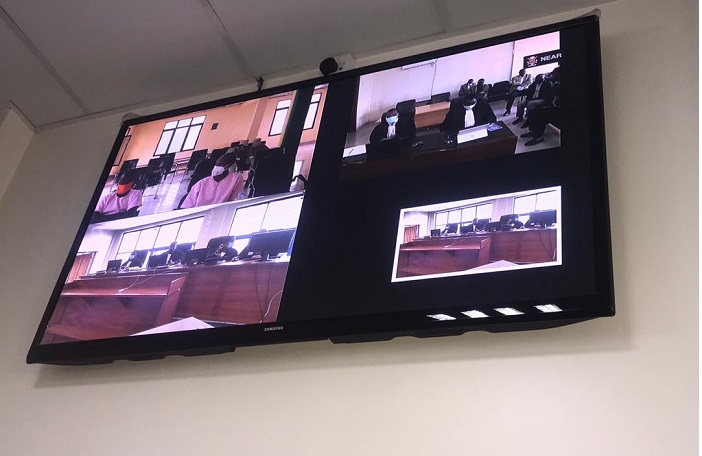
    Ni iburanisha ryabaye kuri uyu wa Kane hifashishijwe ikoranabuhanga aho ubushinjacya bwari ku Cyicaro ku Kimihurura, abaregwa bari muri gereza ya Mageragere aho bafungiye, naho abacamanza bari ku cyicaro cy’Urugereko rw’Urukiko Rukuru ruburanisha imanza mpuzamahanga n’ibyaha byambukiranya imipaka ruri i Nyanza.

    Umucamanza yahaye ijambo ubushinjacyaha ngo busobanure icyifuzo cyabwo cyo guhuza imanza za Nsabimana Callixte na Herman Nsengimana bari abavugizi ba FLN, maze busobanura ko guhuza imanza zabo biri mu nyungu z’ubutabera kuko ibyaha baregwa bifitanye isano kuko bihuriye ku mutwe wa FLN bari babereye abavugizi.

    Abaregwa n’ababunganira mu mategeko bahawe umwanya wo kugira icyo bavuga ku cyifuzo cy’ubushinjacyaha, maze bagaragaza ko nta kibazo babibonamo ariko ko ubucamanza bukwiye gufata umwanzuro bushishoje ko ntacyo wabangamiraho ku butabera.

    Nsabimana Callixte wemera ibyaha ashinjwa, yagaragaje ko n’ubundi yari yaremeye ko urubanza rwe ruhuzwa n’urwa Nsengimana hamwe na Paul Rusesabagina yita shebuja.

    Icyakora yagaragaje impungenge z’uko hari abandi bantu 18 bari muri dosiye atazi, na ho Nsengimana agaragaza ko hari abandi bantu 300 bafatiwe mu mashyamba ya Kongo bashobora kuza muri dosiye ye.

    Abunganira abarengwa ni ho bahereye basaba ko guhuza dosiye ya Nsabimana na Nsengimana bari abavugizi ba FLN byafatwaho umwanzuro mu bushishozi.

    Me Moise Nkundabarashi wunganira Nsabimana Callixte, yasabye urukiko kuzakorana ubushishozi rukareba ko urubanza rw’uwo yunganira n’abo bandi zahuzwa ntihagire icyo bibangamira, naho Me Kabera Johnston wunganira Herman Nsengimana asaba urukiko gukorana ubushishozi mu guhuza imanaza zabo.

    Urukiko rwanzuye ko ruzatanga umwanzuro warwo ku wa Kane tariki ya 3 Ukuboza 2020.


    source https://www.kigalitoday.com/ubutabera/imanza/Ubushinjacyaha-bwasabye-ko-dosiye-ya-Nsabimana-Callixte-na-Herman-Nsengimana-zihuzwa-n-iya-Paul-Rusesabagina

  • Atlas Mara Signs Deal With KCB To Take Over 62.06% Of BPR #rwanda #RwOT

    0Shares
    0

    Atlas Mara Limited('Atlas Mara')and KCB Group Plc ('KCB')announce that they have signed a definitive agreementregarding a proposed acquisition of 62.06% of the issued share capital of Banque Populaire du Rwanda Plc ('BPR') by KCB followed by a subsequent merger with KCB's wholly owned subsidiary operating in Rwanda, KCB Rwanda.

    Once implemented, the combined bank is expected to double its market share resulting in a robust balance sheet and capital structure that will support growth in the post covid-19 macroeconomic recovery period thus ensuring the banks' customers benefit from being a part of one of the biggest Banking groups in East Africa.

    The transaction is subject to the fulfillment of various conditions precedent among which, include regulatory approvals by the National Bank of Rwanda,the local and regional competition commission authorities and all relevant entities.

    The key highlights of the proposed transaction include:•A complementary transaction that combines KCB Rwanda's strong corporate banking franchise with BPR's retail and commercial banking operations.

    KCB Rwanda and BPR's customers to benefit from a well-capitalised banking group,enhanced product and service offering,and a broader distribution network in country and across the region.

    Following the legal merger of the two banks, the enlarged entity is expected to be the 2nd-largest bank in the country and will be a majority owned subsidiary of KCBGroup Plc Commenting on the transaction, KCB Rwanda Managing Director Mr. George Odhiambo, said: 'We are delighted to have reached agreement on a proposed merger with BPR, a strong retail and commercial bank with the largest branch network in the industry and long history spanning over 45 years in the country.

    'This merger, which will see the combined bank becoming the 2ndlargest bank in the industry, will increase our scale and improve our operating leverage by enabling us to deliver our existing retail and wholesale offerings to a wider base of customers in Rwanda while positioning the bank for sustainable growth in the long-term.'

    The merger will provide current KCB Rwanda customers with access a larger network of branches and agents across the country, while BPR's customers would benefit from best in class digital capability, transactional banking solutions, trade finance expertise and international banking offering from KCB.

    Through this transaction, we will play a greater role in Rwanda's economic expansion, using our combined balance sheet to support our clients while leveraging our enhanced distribution network to deepen financial inclusion and provide lending and trade finance solutions to entrepreneurs and SMEs in Rwanda'.

    Maurice Toroitich, MD of BPR, said: 'We are very pleased to reach this agreement with KCB for the proposed merger with KCB Rwanda. This transaction represents an opportunity for BPR to benefit from being part of large banking group in East Africa and will benefit from KCB Rwanda's digital banking capabilities, complementary branch and agents network, innovative product offering across retail, SME, corporate and payments as well as trade finance and international banking offering leveraging the broader KCB regional footprint. I want to assure our clients that the safety of their banking operations and high quality customer service will remain our top priorities during the transition. They can look forward to new products and services as the combined institution pursues sustainable growth. Our mission to serve and support our customers during this challenging time to leverage on the combined business to continue to contribute much more meaningfully to economic development of the country.We look forward to working with the KCB Rwanda team.'

    KCB Group Plc is East Africa's largest commercial Bank that was established in 1896 in Kenya. Over the years, the Bank has grown and spread its wings into Tanzania, South Sudan, Uganda, Rwanda, Burundi and Ethiopia (Rep).

    Further to the banking businesses in these markets, KCB Group owns National Bank of Kenya, a Kenyan lender.

    Today KCB Group Plc has the largest branch network in the region with 360 branches, 1,090ATMs and over 23,230 merchants and agents offering banking services on a 24/7 basis in East Africa.

    Additionally, KCB Group owns KCB Insurance Agency, KCB Capital Limited, KCB Foundation and Kencom House Limited as non-banking businesses.

    The Bank has a wide network of correspondent relationships totaling over 200 banks across the globe and our customers are assured of a seamless facilitation of their international trade requirements wherever they are.

    The proposed transaction is firmly in line with Atlas Mara's repositioning as a streamlined holding company with an increased focus on a core footprint.

    The merger will see BPR's strong retail, commercial and SME loan capability and branch network leverage KCB Rwanda's best in class digital platform and product suite to create a platform for further growth and the facilitation of financial inclusion for the unbanked in the country.

    Corporate customers can expect to benefit from KCB Rwanda's strengths in transactional banking, trade finance, treasury, international payments and loans through the wider distribution network of the enlarged bank and KCB's presence in the key countries across the East African region.

    BPR and KCB Rwanda will draw on Atlas Mara and KCB's strong track records of post-merger integration to ensure a successful combination.

    0Shares
    0

    The post Atlas Mara Signs Deal With KCB To Take Over 62.06% Of BPR appeared first on Taarifa Rwanda.

    Source : https://taarifa.rw/atlas-mara-signs-deal-with-kcb-to-take-over-62-06-of-bpr/

  • Judith, Safi Madiba's ex-wife, in a new love! #rwanda #RwOT

    It is said that Safi Madiba's Ex-wife Judith Niyonizera may have found another new boyfriend whose name is Sano Panda.

    There are reports that after the woman broke up with Safi Madiba, she continued to experience grief and loneliness due to the lack of her husband (Safi Madiba) whom they tied knots during the marriage ceremony that took place in Kigali.

    Safi Madiba, best known when he was in the Urban Boys group, admitted to breaking up with his wife Judith Niyonizera, after a lot of relationship problems.

    So now Rwandan media report that Judith nowadays is seen many times  traveling  and visiting the young man called Sano Panda who is the elder brother of artist Alyn Sano.

    Reports say things are also so far in their love, and in the near future she may be wearing a ring of endless love.

    According to Kigali Today, Sano Panda does not deny or confirm the information, only saying that in the near future people will know the truth about what is being said.

    'I have nothing to say about this information, only Judith is my friend and I have nothing more to say about it, if we really love each other then people will know it and if not people will know it, otherwise love is for two people. So wait, you will know the truth,' Sano said as quoted by Kigali Today

    It was in early 2020, when Safi Madiba went to Canada to meet his wife and when Covid-19 broke out Safi claimed that the pandemic  prevented him from returning, yet reports suggest that Judith had confiscated his passport so that he failed to return as planned.

    It is also alleged that Safi Madiba went to sue his wife in the local authorities in Canada.


    15

    The post Judith, Safi Madiba's ex-wife, in a new love! appeared first on TOP AFRICA NEWS.

    Source : https://www.topafricanews.com/2020/11/26/judith-safi-madibas-ex-wife-in-a-new-love/?utm_source=rss&utm_medium=rss&utm_campaign=judith-safi-madibas-ex-wife-in-a-new-love

  • Ntabwo nemeranya n’abavuga ko umugabo agomba kugira umugore umwe- Mugwiza Gerry #rwanda #RwOT

    Uyu mugore avuga ko yagizweho ingaruka z’ukubyarwa n’umugabo waje kugera nyuma agasiga umugore we [Mama wa Mugwiza] akajya kwishakira undi mugore bagasezerana bigatuma Mugwiza akurira mu buzima bushaririye.

    Ngo siwe byabayeho gusa kuko Sekuru ubyara Nyina yari umwarimu mu mashuri abanza, ngo yaje gusiga nyirakuru aragenda ahitwa I Rukara agezeyo yishakira undi mugore barabyara nyuma Nyirakuru wa Mugwiza asigara ari intabwa.

    Mugwiza kuri ubu ni umubyeyi usanzwe ananyuza ibitekerezo ku rubuga rwe rwa YouTube yise 'ICAN TV [Ingara Creative Arts TV], gusa ibitekerezo bye ntabwo bikunze kuvugwaho rumwe na benshi.

    Kuwa Gatandatu tariki 21 Ugushyingo 2020, ikinyamakuru UKWEZI cyatangaje inkuru y’ umugabo witwa Twizerimana Innocent w’imyaka 40 wari usanzwe ari umwarimu ku kigo cy’amashuri abanza cyane Ruyange.

    Uyu mugabo yasanzwe yikingiranye mu nzu akanywa ikinini gisanzwe cyifashishwa mu kwica imbeba hanyuma ahita apfa.

    Amakuru yavugaga ko uku kwiyahura kwe kwaturutse ku busambanyi yashinjaga umugore we, akaba yaranasize ubutumwa buca amarenga yabyo.

    Mugwiza avuga ko abantu bakwiye kongera kubana neza cyangwa bakareba mu mikorere yabo, ibyo babamo umunsi ku munsi niba ntaho bashobora kuba babangamira bagenzi babo.

    Reba ikiganiro cyose twagiranye na Mugwiza

    Uyu mugore avuga ko itegeko ry’u Rwanda rivuga ko umugabo yemerewe gushaka umugore umwe hari aho ribangamira abantu kuko nk’uyu mugabo w’I Burera wiyahuye iyo aza kuba afite undi mugore wa kabiri aba yaramusanze bakaba agahunga uwa mbere.

    Yagize ati 'Wenda abantu banabyumve, iyo mvuze ngo ubuharike ntabwo bwari gucibwa ntabwo mba mvuze ngo babuzane nk’itegeko. Mba mvuze ngo niyo bwakwemerwa ariko bukemerwa ku bantu babifitiye ubushobozi.'

    'Kuko n’ubundi ntawe ukubwira ngo ugize imyaka 40 jya gushaka umugore, ibyo rero niba ntawe ugutegeka gushaka ntihakagire n’ugutegeka gushaka umubare runaka.'

    Mugwiza avuga ko hari ingero nyinshi z’abana batazi ba Se bababyara, biturutse kuri ba bagabo baca inyuma abagore babo bakajya kubyarana n’abandi bakobwa.

    Yakomeje agira ati 'Hari n’abava mu cyaro bagera I Kigali bakongera bakarongora nk’aho ari abasore, kubera iki uwo mugabo niba afite ubushobozi atakwemererwa kugira urugo mu Ntara akagira n’urundi I Kigali aho akorera.'

    Mugwiza avuga kandi ko muri iki gihe hari abagore usanga babwira abana babo ko ba Se bapfuye kandi bariho ahubwo baragiye kubaka izindi ngo kure.

    Ati 'Njyewe ntabwo nemeranya n’abantu bumva ko umugore agomba kubana n’umugabo umwe, umugabo umwe ku mugore umwe. Ni uburenganzira mpabwa n’itegeko bwo kuvuga uko numva ibintu. Kuva umugabo yagira urugo mu gace runaka akagira n’urundi ahandi.'

    Yakomeje agira ati 'Erega ntawe ugitunga undi, umugore asigaye anyura hano n’umugabo akanyura hariya bose bagashakisha ibitunga urugo. Niba ari uko bimeze rero abantu bikumva ko ibintu byose bireba umugabo naramuka ashatse undi mugore azabura icyo abatungisha. Gute se ingo zitagira abagabo ntizibayeho ?'

    Uyu mubyeyi avuga ko ibintu byose byicwa n’uko bigendera ku mitungo aho usanga umutungo wose ari uw’umugabo kuko n’ubuharike bujya gucibwa byatewe n’amakimbirane akomoka ku mitungo.

    Akemeza ko ibibazo byose byakemuka ari uko umugore agize umutungo we n’umugabo akagira umutungo we.

    Reba ikiganiro cyose twagiranye na Mugwiza

    Itegeko N°59/2008 ryo kuwa 10/09/2008 rikumira kandi rihana ihohoterwa iryo ari ryo ryose rishingiye ku gitsina, mu ngingo yaryo ya 2, igika cya 3, rivuga ko ubuharike ari 'Ukugira amasezerano ya kabiri y’ubushyingiranwe aya mbere agifite agaciro'.

    Igitabo cy’amategeko ahana mu ngingo ya 246, giteganya ko umuntu ugira amasezerano ya kabiri y’ubushyingiranwe aya mbere agifite agaciro ahanishwa igifungo kuva ku mezi atandatu kugeza ku myaka ibiri n’ihazabu y’amafaranga y’u Rwanda kuva ku 100.000 kugeza ku 500.000 RWF cyangwa kimwe gusa muri ibyo bihano.

    Ingingo ya 247 y’igitabo cy’amategeko ahana isobanura ko ubushoreke ari imibanire nk’umugabo n’umugore ku buryo buhoraho ku bantu batashyingiranywe, umwe muri bo cyangwa bombi bafite uwo bashyingiranywe.

    Uhamwe n’icyaha cy’ubushoreke ahanishwa igifungo kuva ku mezi atandatu kugeza ku myaka ibiri n’ihazabu y’amafaranga y’u Rwanda kuva ku 100.000 kugeza kuri 200.000 RWF (ingingo ya 248)

    Source : http://www.ukwezi.rw/mu-rwanda/Umuco/article/Ntabwo-nemeranya-n-abavuga-ko-umugabo-agomba-kugira-umugore-umwe-Mugwiza-Gerry

  • Iranzi Jean Claude yagarutse mu Rwanda #rwanda #RwOT

    Nyuma y’amezi 11 ari mu Misiri ari intizanyo mu ikipe ya Aswan Sporting Club, Iranzi Jean Claude yageze mu Rwanda aho agarutse gukinira Rayon Sports yari yaramutije.

    Tariki ya 28 Mutarama 2020, nibwo Iranzi Jean Claude yatijwe ikipe ya Aswan Sporting Club yo mu Misiri mu gihe cy’amezi 6.

    Byari biteganyijwe ko nyuma y’aya mezi 6 iyi kipe nishima uyu mukinnyi yari kuvugana na Rayon Sports bakaba bamugurisha.

    Iranzi Jean Claude wavuye mu Rwanda asigaje umwaka n’igice bya Rayon Spors by’amasezerano, akaba yageze mu Rwanda aho agiye gukomeza ari umukinnyi wa Rayon Sports mu mwaka w’imikino wa 2020-2021.

    Biteganyijwe ko azatangira imyitozo muri Rayon Sports ku munsi wo ku Cyumweru kuko ejo iyi kipe izakina umukino wa gicuti na Police FC, ni mu gihe ku wa Gatandatu bazaha abakinnyi akaruhuko.

    Iranzi Jean Claude yagarutse muri Rayon Sports

    Source : http://isimbi.rw/siporo/iranzi-jean-claude-yagarutse-mu-rwanda

  • Karasira Aimble yavuze icyo apfa na Minisitiri Bamporiki ashinja kumwibasira #rwanda #RwOT

    Karasira aherutse kumvikana mu biganiro anyuza ku rukuta rwe rwa YouTube yise 'Ukuru Mbona TV’ avuga amagambo yafashwe na bamwe nk’ahembera Ingengabitekerezo ya Jenoside.

    Aya mashusho ya Karasira hari aho agira ati 'Ziriya za CNLG na Komisiyo y’Ubumwe n’Ubwiyunge, iyo uzirebye usanga icyo bashishikajwe nacyo ni ukwamagana Laure Uwase, JamboNews , Victoire Ingabire bikarangira ubonye ari ukwamagana abarwanya FPR.'

    Akomeza agira ati 'Muby’ukuri mbona CNLG, Komisiyo y’Ubumwe n’Ubwiyunge njyewe mbyita FPR, njye mbona ari FPR nta kindi, mbese umwanzi wese nako si umwanzi umuntu wese uvuze ko FPR hari amakosa bakoze nibo bantu bafata iya mbere ngo abo bantu baraturokoye. Niba baraturokoye se bivuze ko baticaga abandi bantu.'

    Ikiganiro kirambuye bivugwa ko cyafashwe na Nsengimana wa Umubavu TV ariko kiza kunyuzwa ku rukuta rwa YouTube rwa Karasira Aimable rwitwa 'UKURI MBONA TV’.

    Reba hano ikiganiro na Karasira

    Umushakashatsi kuri Jenoside, Tom Ndahiro yavuze ko Itegeko Nshinga rya Repubulika y’u Rwanda rivuga ko abanyarwanda bose biyemeje gukumira no guhana icyaha cya Jenoside.

    Ati 'Constitution y’u #Rwanda riti TWIYEMEJE gukumira no guhana icyaha cya jenoside, kurwanya ihakana n‟ipfobya bya jenoside, kurandura burundu ingengabitekerezo ya jenoside n‟ibyo igaragariramo byose, amacakubiri n’ivangura bishingiye ku moko, ku turere n’ibindi ibyo ari byo byose”

    Yakomeje yibaza ko 'Kuba #UmubavuTV na #KarasiraAimable batemeranya n’ibivugwa n’Itegeko-Nshinga ry’u #Rwanda nkuko twaritoye mu 2015, ni guhakana no gupfobya jenoside babifitemo inyungu kimwe n’abandi bajenosideri bose. Gukomeza kwirengagiza iyi ngengabitekerezo ikwizwa si ukuroga urubyiruko ?'

    Constitution y’u #Rwanda iti : “TWIYEMEJE gukumira no guhana icyaha cya jenoside, kurwanya ihakana n‟ipfobya bya jenoside, kurandura burundu ingengabitekerezo ya jenoside n‟ibyo igaragariramo byose, amacakubiri n’ivangura bishingiye ku moko, ku turere n’ibindi ibyo ari byo byose” pic.twitter.com/FoLWKwSA2Z

    — Tom Ndahiro (@TomNdahiro) November 23, 2020

    Karasira avuga ko ibyo yavuze atari aziko ari amakosa yakoze ndetse ngo nyuma abantu baramuhamagaye babimubwira ahitamo gukora ikiganiro yisegura kuwo byaba byaragizeho ingaruka.

    Avuga kandi ko afitiwe urwango na Minisitiri Bamporiki ndetse na Tom Ndahiro bakunze kumwibasira kuri Twitter ashimangira ko Bamporiki we byatangiye ubwo yakoraga indirimbo yise 'Rya cwende’.

    Yagize ati 'Kuva nakora indirimbo ivuga ngo rya cwende ntiriracya, kuva ubwo yaranyikomye kuri Twitter aranyikoma we na Tom Ndahiro, ariko bariya bantu bose bareke gufata Jenoside yakorewe Abatutsi ngo bayigire iturufu yo gukubitisha abo badahuje ibitekerezo.'

    Uzaramba Aimable Karasira wamamaye nka Professor Nigga yirukanywe muri Kaminuza y’u Rwanda yari amaze imyaka 14 yigishamo, nyuma yo gushinjwa imyitwarire mibi mu kazi.

    Reba hano ikiganiro na Karasira

    Umva indirimbo ‘Rya cwende’

    Source : http://www.ukwezi.rw/mu-rwanda/3/article/Karasira-Aimble-yavuze-icyo-apfa-na-Minisitiri-Bamporiki-ashinja-kumwibasira

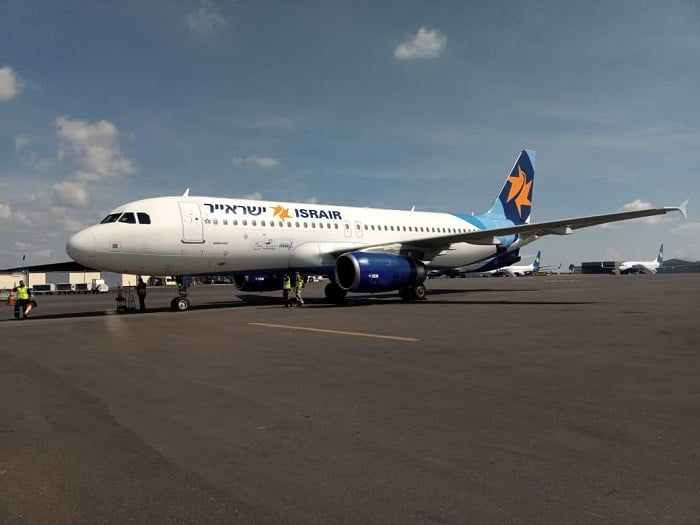
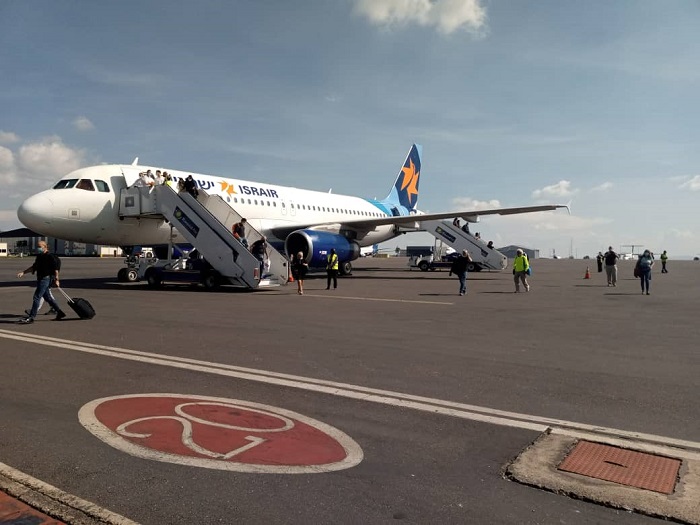
  • Bwa mbere mu mateka, kompanyi y’Indege yo muri Israel yatangiye gukorera ingendo mu Rwanda #Rwanda #RwOT via @kigalitoday #rwanda #RwOT

    Ni ubwa mbere mu mateka indege y’iyi Kompanyi igeze ku butaka bw’u Rwanda, ikaba ibimburiye izindi ngendo indege z’iyi Kompanyi zizajya zikorera mu Rwanda.

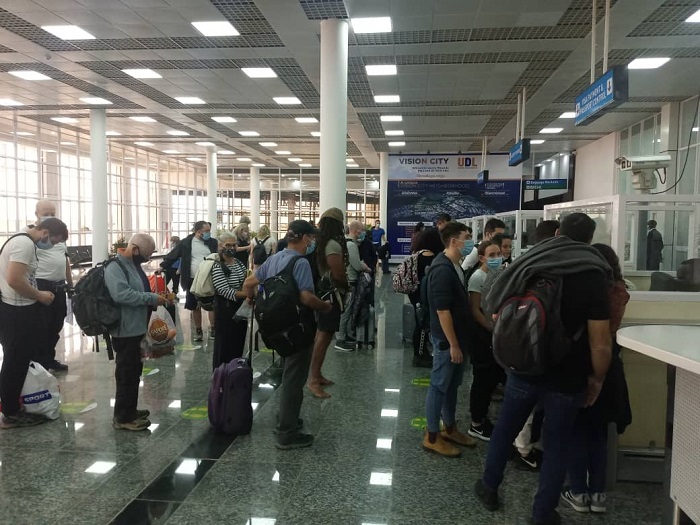
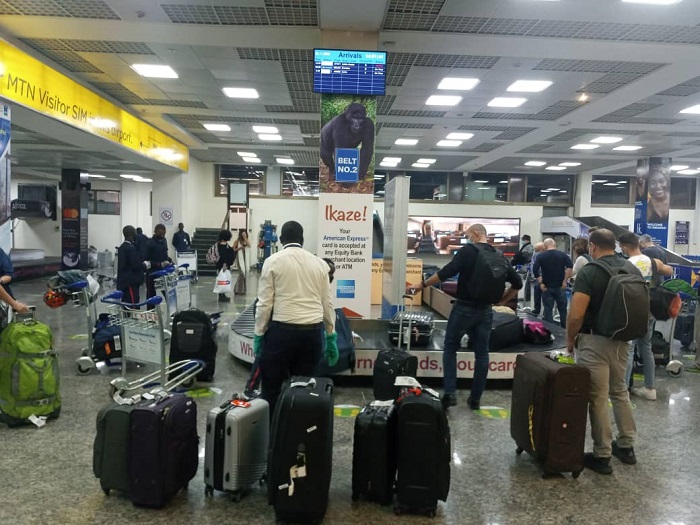
    Dore mu mafoto uko byari byifashe ubwo iyi ndege yageraga ku kibuga cy’indege cya Kanombe:

    source https://www.kigalitoday.com/amakuru/amakuru-mu-rwanda/article/bwa-mbere-mu-mateka-kompanyi-y-indege-yo-muri-israel-yatangiye-gukorera-ingendo-mu-rwanda

  • How Jibu’s franchising model helped women to become entrepreneurs #rwanda #RwOT

    Through this model, Jibu has given priority to girls and women who constitute 60% of its agents.

    Joyeuse Muhimpundu is an agent based in Kabuga who has been working with Jibu for the past two years. She abandoned her shop after realizing many benefits of Jibu business. Muhimpundu started producing 1500 liters in 2018 but has grown to produce 4000 and 5000 liters on support of Jibu.

    'Increased production helped me to grow income that I have hired eight employees,' she said.

    Muhimpundu explains that being Jibu’s agent has unlocked other opportunities which saw her dealing in gases.

    Rehema Uwamahoro is another agent who worked with Jibu since 2016. She lived in Kigali by the time she learnt about Jibu’s opportunities.

    Realizing that many people had started such business in Kigali, Uwamahoro abandoned her job and moved to Rwamagana where she could face minimal competition. She has become financially stable and self-reliant entrepreneur.
    'I was a public servant but I cannot apply for jobs anymore because I have made a giant step. I reaped many benefits including new businesses and starting a clinic. This is evidencing how working with Jibu is advantageous,' she said.

    Loans to expand business

    Jibu agents across the country attribute in no smaller part their progress to good relations with the company.

    Muhimpundu explained that Jibu helps them with the provision of loans to sustain their businesses.

    'Jibu provides car loans to help us distribute water to different shops. This contributes a lot to successfulness of our business,' she noted.

    Uwamahoro also revealed that Jibu always seeks to turn their businesses profitable through different forms of support.

    'Jibu conducts assessment to ensure adherence to standards. Apart from car loans, the company provides free loans paid in installments to buy equipment,' she revealed.

    Jibu has recently in October received Transformational Business Award by 'The Financial Times’ in partnership with International Finance Corporation (IFC).

    Jibu is present in seven African countries. It has been in Rwanda for eight years and works with over 50 agents. In general, it has enabled the creation of 500 jobs with 60% women representation.

    Jibu’s Franchising model has given priority to girls and women who constitute 60% of its agents.

    IGIHE

    Source : https://en.igihe.com/news/article/how-jibu-s-franchising-model-helped-women-to-become-entrepreneurs