Blog

  • Rwanda Launches Digital Platform To Allow International Bidders In Auctions #rwanda #RwOT

    The Ministry of Justice, in partnership with the Rwanda Development Board (RDB), today launched a digital bidding platform that is aimed at making the enforcement of orders efficient and transparent.

    The platform, accessible at https://cyamunara.gov.rw/auction/ will reduce the processes involved in the enforcement of orders and curtail malpractices occasioned by human interaction.

    Additionally, the platform will make it possible for potential bidders outside the country to participate in the auction exercise.

    Speaking at the launch, Johnston Busingye, Minister of Justice and Attorney General, said that the platform is a long-term solution to the challenges faced in the execution of enforcement of orders.“I would like to commend RDB and other partners for working closely with the Ministry of Justice to effect change in the execution of enforcement orders, from a manual to an electronic system that is in line with the Government’s vision of digitalizing all its services,” he said.

    Clare Akamanzi, the Chief Executive Officer of RDB, said that over the last 10 years, Rwanda has implemented focused reforms aimed at improving the doing business environment for the private sector to thrive.

    “Private sector contribution to the economic development of Rwanda is primary. We cannot talk about development without developing the private sector; activities such as this help the private sector to thrive in our economy.

    The net outcome of the electronic system is to improve the quality of auctions and recovery rate. We hope that this system will help banks and the private sector in general to thrive.”

    The new Registrar General instructions on Management, Lease, Auction, and Take-over of mortgages, in addition to electronic auctioning of collateral, also provide for a bid deposit to ensure that only genuine bidders participate in the auction.

    The instructions also provide for a possibility for the property owner to object to the price if it is less than 75% at the first and second rounds of auction.

    Read more of the instructions here: rdb.rw/wp-content/upl

    source https://taarifa.rw/rwanda-launches-digital-platform-to-allow-international-bidders-in-auctions/

  • Rusizi: Abasore bane bafatanywe imifuka itandatu y’imyenda ya magendu bayivanye muri RDC #rwanda #RwOT

    Polisi y’u Rwanda, ku wa Kabiri yataye muri yombi abasore bane, bafatanwa imifuka itandatu yuzuyemo imyenda ya caguwa, bayinjiza mu gihugu mu buryo bwa magendu.
  • Nta muhanuzi iwabo! Ibitangaje ku rugendo rw’umuziki rwa Dj Marnaud n’urwibutso rwe kuri Dj Miller #rwanda #RwOT

    Dj Marnaud, umwe mu ba-Djs bafite izina rikomeye mu Rwanda, yavuye imuzi bumwe mu buzima bwe n’uko yahisemo gutangira gushyira hanze ibihangano ku giti cye.
  • Uko Kabuga yafungiwe muri Kenya, urugendo rwo kumuta muri yombi…Incamake kuri filimi “World’s Most Wanted” #rwanda #RwOT

    “World’s Most Wanted” ni imwe muri filimi mbarankuru zigezweho muri iki gihe, yatangiye kwerekanwa ku rubuga rwa Netflix ku wa Gatatu w’iki cyumweru, aho mu minota 48 igize igice cyayo cya kabiri, hagarukwa ku rugendo rwo guta muri yombi Kabuga Félicien nk’umwe mu bantu bashakishwaga uruhindu ku Isi.
  • Imyaka itatu irashize: Ibihe by’ingenzi byaranze imirimo ya Perezida Kagame muri manda ye ya Gatatu #rwanda #RwOT

    Ku wa 5 Kanama 2017 wari umunsi Abanyarwanda benshi bararanye akanyamuneza, ubwo bari bamaze kumenya ko Paul Kagame atorewe indi manda y’imyaka irindwi, ibintu ariko bitatunguranye na gato.
  • King James yahaye inkunga ya ‘kawunga’ Umuryango Solid Africa ukora ibikorwa by’urukundo no kugaburira abarwayi #rwanda #RwOT

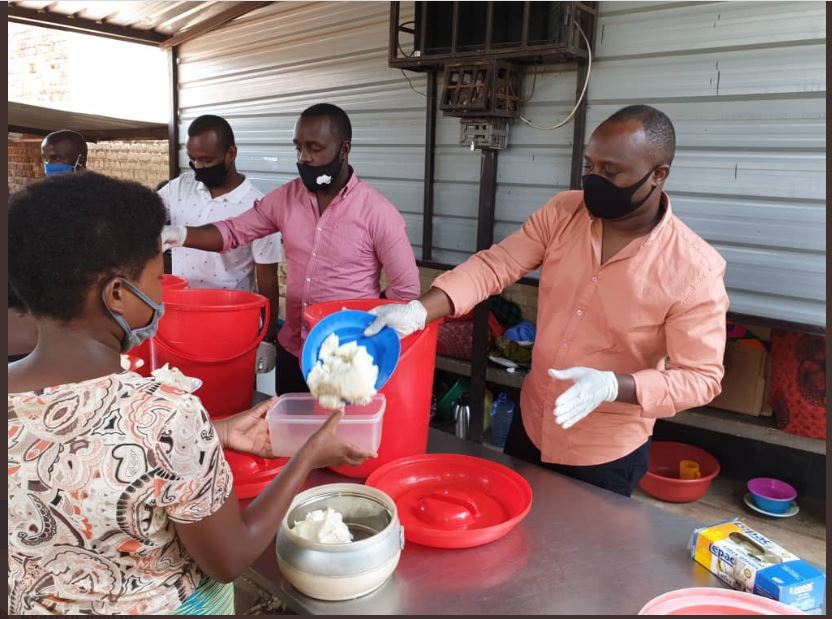
    Ibi biribwa byatanzwe kuri uyu wa Gatatu tariki 5 Kanama 2020, aho inkunga y’ibiribwa yatanzwe na King James abinyujije Muryango Solid Africa usanzwe ufasha abarwayi bari mu bitaro babona ibyo kurya bigoranye.

    Uyu muhanzi usanzwe ufite uruganda rutunganya ifu ya kawunga rwitwa ‘Ihaho’ yanahaye uyu muryango inkunga y’ifu ingana n’ibiro 550 bya kawunga ye ya Ihaho.

    Mu kiganiro yagiranye na UKWEZI, King James yavuze ko igikorwa nk’iki aba yagikoze mu rwego rwo kwibuka abababaye.

    Yakomeje agira ati “Icya mbere ni uko umuntu aba agomba kwibuka n’ababaye , icya mbere kuba umuntu arwaye ariko noneho adafite ibyo kurya.”

    Uyu muryango Solid Africa usanzwe ufasha abarwayi ibintu bitandukanye ariko by’umwihariko bagaburira abarwayi 800 mu bitaro bya CHUK, Muhima, Masaka na Kibagabaga. Babaha amafunguro ya mu gitondo saa sita na nijoro.

    King James yashimiye cyane ibikorwa by’Umuryango Solid Afrika, avuga ko ari kureba uburyo buri kwezi yajya awugenera inkunga runaka yo kubafasha mu bikorwa bakora umunsi ku munsi.

    Ati “Nashimishijwe n’ibintu bakora, batekera abantu 800 ku munsi kandi bakabikora umunsi wose, ni ibintu nanjye numvaga ko nshaka gukora kandi ntabwo byagarukiye aho turi kureba ko buri kwezi twajya tugira ikintu tubagenera.”

    Uyu muhanzi yasabye abantu kujya bibuka n’abababaye kandi bakagira urukundo muri rusange.

    King James afite Uruganda rutunganya ifu rwa ‘Ihaho’ ndetse akanagira ihahiro rigezwe ryitwa Mango Super Market, ndetse aherutse gufungura resitora ishamikiyeho yitwa Mango Fast Food. King James yafatanyije na Solid Africa kugaburira abarwayi bo muri CHUK, babahaye kawunga ya ‘Ihaho yo mu ruganda rw’uyu muhanzi
    http://dlvr.it/Rd58qG

  • Malaria: Parasite resistance to artemisinin derivatives now affecting Africa #rwanda #RwOT

    Malaria, caused by parasites of the genus Plasmodium, represents a major public health problem. Almost 3.2 billion people (virtually half the world’s population) in 89 countries are at risk of contracting the disease, for which there is currently no vaccine. Every year, over 200 million cases and over 400,000 deaths are recorded.

    For more than 15 years, treatment of malaria episodes (typical cycles of the disease alternating between fever, shivering and chills, and severe sweating) caused by Plasmodium falciparum has depended on artemisinin-based combination therapies (ACTs), which combine a fast-acting artemisinin derivative and a partner drug with a long half-life.

    Since 2008, parasites capable of resisting artemisinin derivatives in South-East Asia (Cambodia, Thailand, Vietnam, Myanmar and Laos) have become increasingly prevalent. This resistance, which leads to a delay in the clearance of parasites from the bloodstream of individuals treated with an ACT, is currently a serious threat that may hinder efforts to tackle the disease.

    A major concern is that these resistant parasites will spread through Sub-Saharan Africa, the continent most affected by malaria (>90% of cases), as was the case with previous generations of antimalarial treatments (chloroquine and folic acid antagonists). In the 1980s, the reduced efficacy of chloroquine is thought to have contributed to several million additional deaths from malaria in young African children.

    Since 2014, the geographical distribution of artemisinin resistance has been monitored based on the detection of mutations in the Kelch13 gene in parasites. These mutations are believed to reduce the function of the Kelch13 protein, thought to be involved in hemoglobin degradation in infected red blood cells.

    Currently, the most widespread resistant parasites in South-East Asia have the C580Y mutation. Recently, C580Y mutant parasites have also been detected in Guyana and Papua New Guinea. In Africa, where ACTs remain very effective, Kelch13 mutant parasites have remained rare.

    For instance, the KARMA study, the first global map of artemisinin resistance, showed that less than 5% of African samples had mutations and that more than 50% of the mutants detected had only been observed once. Scientists also demonstrated that the most frequently observed mutation in Africa (A578S) did not confer artemisinin resistance to gene-edited Asian parasites.

    Scientists from the Institut Pasteur, involved in a WHO-supported project on molecular monitoring of resistance in Africa, recently identified the first signs of emergence of artemisinin-resistant Kelch13 mutant parasites in Africa.

    The results describe significant proportions of parasites carrying the R561H mutation in two locations 100km apart (prevalences of 7.4% in Masaka and 0.7% in Rukara, respectively).

    Whole-genome sequencing of these parasites indicates that the R561H mutants were selected from Rwandan parasite populations and that they had not spread from Asian parasites (from Thailand or Myanmar, where the R561H mutation has previously been observed).

    “These unexpected results contrast with previous scenarios in which the emergence of chloroquine- or pyrimethamine-resistant parasites in Africa was caused by the spread of resistant parasites from South-East Asia. It was thought that a similar scenario would apply for the emergence of artemisinin-resistant parasites in Africa,” explains Didier Ménard, Head of the Malaria Genetics and Resistance Unit at the Institut Pasteur.

    The fact that this resistant strain has spread between several places in Rwanda and its ability to resist artemisinin in vitro have major public health implications. In the absence of effective measures to contain the spread of resistant parasites in Rwanda and neighboring countries, there is a risk that over time they will acquire the ability to resist the partner drugs used in ACTs.

    This would mean that the only available treatments would become ineffective, as has occurred in South-East Asia. A model of this scenario, in which no measures are taken, recently predicted that the inefficacy of ACTs in Africa could be responsible for 78 million additional cases and 116,000 additional deaths over a five-year period.

    ###

    This research was supported by the Institut Pasteur, the World Health Organization, the World Bank (via the East African Public Health Laboratory Networking Project), the Bill & Melinda Gates Foundation (Grant OPP1140599), the United States Department of Defense (W81XWH-19-1-0086) and the National Institutes of Health (R01 AI109023)

    IGIHE
    http://dlvr.it/Rd58r2

  • Menya iby’Ikirombe cya Kongo(DRC) cyabaye nyirabayazana wa Bombe kirimbuzi yatewe I Nagasaki na Hiroshima #rwanda #RwOT

    Uruhare rwa Repubulika iharanira Demokarasi ya Congo-DRC mu gucura ibisasu kirimbuzi byarekuriwe ku mijyi ya Nagasaki na Hiroshima rwagizwe ibanga imyaka myinshi cyane, ariko ingaruka z’uruhare rwayo n’uyu munsi aho zarekuriwe baracyazumva. Ikirombe kibagiranye muri Congo nicyo cyavuyemo igisasu kirimbuzi.

    Ijambo “Shinkolobwe” rinyuzuza umubabaro n’agahinda,” ni amagambo avugwa na Susan Williams, umunyamategeko wo muri Institute of Commonwealth Studies mu Bwongereza. Yongeraho ati: “Ntabwo ari ijambo rishimishije, ni ijambo mpuza n’umubabaro utavugwa n’agahinda“.

    Si benshi bazi “Shinkolobwe” aho ari ho. Ariko iki ni ikirombe gito kiri mu majyepfo y’intara ya Katanga muri Repubulika ya Demokarasi ya Congo, cyagize uruhare muri kimwe mu bikorwa bikabije ubugome no kwica byabayeho mu mateka.

    Kure muri kilometero 12,000, tariki 06 z’ukwezi kwa munani, inzogera ziraza kuvuzwa muri Hiroshima mu Buyapani bibuka imyaka 75 ishize igisasu kirimbuzi kibaguyeho.

    Abashyitsi bakomeye n’abarokotse baraba bateranye bibuka abapfuye kubera ubumara n’umuriro wabaguyeho. Baracana amatara ibihumbi y’urumuri rw’amahoro bayashyire ku ruzi rwa Motoyasu.

    Nyuma y’iminsi itatu imihango nk’iyi izaba n’i Nagasaki. Nta mihango ikomeye, iteganyijwe muri DRC. Nyamara ibi bihugu byombi bihujwe mu buryo budashidikanywaho n’ibi bisasu kirimbuzi, byagize ingaruka n’uyu munsi zicyumvikana.

    “Iyo tuvuze ibitero bya Hiroshima na Nagasaki, ntitujya tuvuga Shinkolobwe,” – biravugwa na Isaiah Mombilo ukuriye Sosiyete Sivile y’Abanyecongo muri Afurika y’Epfo (CCSSA). Ati: “Hari igice cy’intambara ya kabiri y’isi cyibagiranye kiratakara.”

    Ikirombe cya Shinkolobwe, niho havuye hafi uranium yose yakoreshejwe mukiswe ‘umushinga wa Manhattan‘, ahacuriwe ibisasu kirimbuzi byajugunywe ku Buyapani mu 1945.

    Gusa inkuru y’iki kirombe ntiyarangiranye n’izi bombe. Umusanzu wacyo mu gukora ibi bisasu bise Little Boy na Fat Man byahinduye amateka agana ahabi ya DR Congo n’intambara zitahashize. N’uyu munsi umurage w’iki kirombe uboneka mu buzima n’imibereho y’abagituriye.

    Susan Williams wacukumbuye uruhare rwa Shinkolobwe mu gitabo cye yise ‘Spies in the Congo’ ati: “Ni amage akomeje”. Yemeza ko bikenewe kwemeza ko kumaranira kugenzura iki kirombe kw’ibihugu rutura byo mu burengerazuba bw’isi bifite uruhare mu bibazo bya Congo.

    Mombilo nawe nkuko BBC ibitangaza, ari guharanira ko hamenyekana uruhare rwa Congo mu byabaye mu ntambara ya kabiri y’isi, ndetse n’umugogoro iki gihugu kikoreye kugeza ubu kubera ibyo.

    Mu 2016, CCSSA yahuje impirimbanyi, abanyamateka, abasesenguzi n’abana b’abagizweho ingaruka n’ibi bisasu kirimbuzi, bose bo muri DR Congo no mu Buyapani.

    Mombilo ati: “Turashaka kugarura amateka ya Shinkolobwe, kugira ngo isi iyamenye”.

    Amateka ya Shinkolobwe atangira mu 1915 ubwo mu butaka bwaho iki kirombe kiri havumburwaga Uranium, mu gihe Congo yari mu bukoloni bw’Ububiligi. Uranium ntabwo yari ikintu gikenewe cyane ku isoko icyo gihe.

    Uburyo iteye bwavugwaga n’Abadage nk’ibuye ridafite akamaro. Icyo gihe ahubwo, kompanyi y’Ababiligi yitwa Union Minière niyo yacukuraga radium muri ako gace, ikinyabutabire cyari kimaze igihe gito kigaragajwe n’abahanga Marie na Pierre Curie.

    Kugeza mu 1938 havumbuwe uburyo bwo gutubura imbaraga kirimbuzi, nibwo agaciro ka uranium kamenyekanye. Amaze kumenya ubwo buvumbuzi, Albert Einstein yahise yandikira Perezida wa Amerika Franklin D Roosevelt, amugira inama ko uranium yakoreshwa mu gukora ingufu zidasanzwe, yewe no gukora igisasu kirimbuzi.

    Mu 1942, abahanga bo mu gisirikare cya Amerika bemeje kugura ingano ishoboka ya uranium bagamije kuyikoresha mu ‘umushinga wa Manhattan’. Nubwo hari ibirombe muri Colorado na Canada ntahandi ku isi hari uranium ingana n’iyo muri Congo.

    Tom Zoellner wasuye Shinkolobwe agamije gukora inyandiko yitwa ‘Uranium – War, Energy, and the Rock that Shaped the World‘ agira ati: “imiterere ya Shinkolobwe ntisanzwe. Nta kindi kirombe wabonamo uranium nyayo yirunze hamwe. Nta kintu nk’iki cyari cyarigize kiboneka.”

    Ibirombe byo muri Amerika na Canada byabonwaga nk’ahantu “heza” iyo amabuye yacukuwe abasha gutanga 0.03% ya uranium. Shinkolobwe yo, ibyahacukuwe byatangaga 65% ari uranium. Amabuye yitwaga ibisigazwa bitakwitabwaho mu gutunganywa, nayo ubwayo yabaga afite 20% ya uranuim.

    Mu bwumvikane na Union Minière, bwakozwe n’Abongereza, bari bafite imigabane ya 30% muri iyi kompanyi, Amerika yabonye toni 1,200 za uranium yo muri Congo, bajyanye babika ku kirwa cya Staten kiri mu majyepfo y’umujyi wa New York. Izindi toni 3,000 bazibitse ku butaka hafi aho muri Shinkolobwe. Ariko ntibyari bihagije. Ba ‘enjeniyeri’ b’igisirikare cya Amerika boherejwe gukamura iki kirombe cyari kimaze kuba nk’ikitagicukurwa.

    Ku mategeko y’Ububiligi, abakozi b’abanyecongo bakoraga ijoro n’amanywa, bohereza toni ibihumbi za uranium buri kwezi muri Amerika.”Shinkolobwe yagennye uzaba umutegetsi w’isi mu gihe cyari kigiye kuza, ibintu byose niho byahereye” ni ibivugwa na Mombilo.

    Ibi byose byakozwe mu ibanga rikomeye, kugira ngo Ubudage, Ubuyapani n’Ubutaliyani byari byarishyize hamwe ntibimenye ko hariho ikitwa Manhattan Project.

    Shinkolobwe yahanaguwe ku ikarita y’isi, ndetse hoherezwa ba maneko kabuhariwe bo kuyobya no gutanga amakuru atari ukuri ku bihabera. Uranium bakayita ‘amabuye y’imirimbo’ cyangwa ‘ibikoresho by’ibanze’. Ijambo Shinkolobwe ntawagombaga kurisohora mu kanwa ke.

    Ibanga ryakomeje kubikwa na nyuma y’intambara. Susan Williams ati: “Hakoreshejwe imbaraga ngo byemerwe ko uranium yavuye muri Canada, nk’uburyo bwo kuyobya uwashaka kwibanda kuri Congo”. Avuga ko uwo muhate wari ukomeye ku buryo n’uyu munsi hari abazi ko biriya bisasu kirimbuzi byakozwe na uranium yo muri Canada.

    Nyuma y’intambara ariko, Shinkolobwe yahindutse isibaniro ry’intambara y’ubutita (yo guterana ubwoba). Gutera imbere mu gutunganya uranium kwatumye ibihugu by’Iburengerazuba bitagicungira cyane kuri Shinkolobwe. Ariko nanone mu kugira ngo hatagira ikindi gihugu kihageza akarenge, iki kirombe cyagombaga kugenzurwa.

    Williams ati: “Nubwo Amerika itari igikeneye uranium ya Shinkolobwe, ntiyifuzaga ko Leta Zunze Ubumwe z’Abasoviyeti zihagera.”

    Ubwo Congo yakuraga Ubwigenge ku Bubiligi mu 1960, iki kirombe cyari gifunze n’inzira ikinjiramo yarafungishijwe isima. Ibihugu rutura by’iburengerazuba byashakaga ko leta yose ifite amakuru n’ijambo kuri Shinkolobwe ikomeza kuba inshuti yabyo.

    Mombilo ati: “Kuko uranium yari igikenewe, Amerika n’inshuti zayo zikomeye byakoze ibishoboka ngo hatagira ukora kuri Congo. Uwashakaga kuyobora Congo wese bagombaga kumugenzura”.

    Zoellner avuga ko icy’ingenzi cyane cyari ukwirinda Abakomunisiti, ariyo mpamvu ibyo bihugu bikomeye byifuzaga guhirika leta yari imaze gutorwa ya Patrice Lumumba, bigashyiraho umunyagitugu Mobutu Sese Seko mu 1965 akayobora imyaka myinshi yicaye ku ibanga ryabo.

    Abanyecongo bageragezaga gusaba ko imibereho yabo yaba myiza bitwaga abakomunisiti. Williams ati: “Intekerezo, ikizere n’intego z’Abanyecongo ko Congo yaba igihugu kigenga imbere y’ibihugu rutura byahonyorwaga n’igisirikare n’inyungu za politiki z’ibihugu bikomeye byo mu burengerazuba”.

    Munyaneza Theogene / intyoza.com

    source http://www.intyoza.com/menya-ibyikirombe-cya-kongodrc-cyabaye-nyirabayazana-wa-bombe-kirimbuzi-yatewe-i-nagasaki-na-hiroshima/

  • Panic as six Rwamagana residents suffer suspected scorpion bites #rwanda #RwOT

    They are small insects that look like scorpions and the doctors who spoke to IGIHE say they are.

    They are insects that have been around for a month and found in homes in Akamata Village in Cyanya Cell in Kigabiro Sector. The three who were bitten sought medical attention from a doctor, hospitalized, and it was found necessary to put them on drip. The other three did not go to the hospital but used traditional medicine.

    Some residents interviewed by IGIHE described how they were bitten by this insect. Mukeshimana Sauda said she was bitten on Thursday last week on the breast and knee.

    Izerimana Safinah said she was bitten while she was preparing children’s shoes.
    Izerimana added that apart from her, she even took her child in the hospital for medical treatment. She said these insects are so common in her home that she is worried they will continue to bite them.

    Kamatare village leader, Ntwari Janvier Musa, said that he had also been told by various residents for a month that they saw the scorpion-like insects in their homes, and that he had recently killed them at his home. He advises they should not delay but find pesticides to kill them.

    The mayor of Rwamagana District, Mbonyumuvunyi Radjab, said they were aware that there were scorpion-like insects that had already bitten six people but they would not confirm that they are scorpions because they usually live in the desert.

    He is urging the public that anyone who would be bitten should go to the doctor as soon as possible while they are working with the health authorities to find a definitive solution.

    What is Scorpion?

    Dr. Nsengiyumva Jean Beranrd, a specialist in emergency medicine for potentially fatal diseases, who works at CHUB Hospital, told IGIHE that there are 1,500 species of scorpion in the world. At least 20 are the most poisonous including those who can bite a person and have disabilities in the joint.

    Dr. Nsengiyumva called on the public not to be intimidated since most of the scorpions in Rwanda do not have dangerous venom. He, however, urged against use of herbs to treat the bites as this may cause health risks.

    Although the toxicity of scorpions in Rwanda may not cause serious problems, Dr. Nsengiyumva says their bite can cause tetanus and other diseases.

    Elina Jonas Ruzindaza

    source https://en.igihe.com/news/article/panic-as-six-rwamagana-residents-suffer-suspected-scorpion-bites

  • Kabutare Hospital acquires Rwf59 million worth ambulance #rwanda #RwOT

    The management of Kabutare Hospital immediately announced that the ambulance will be operating in the Gisoro-Gisamvu hinterland as it is far from the Hospital.

    The Director-General of Kabutare Hospital, Dr. Nzambimana Jean Bosco, said that they already have six other ambulances but the additional support will help serve the most remote parts of the district. Other ambulance services are offered at Ruhashya Health Center in Rusatira and Rwaniro and the other is located at Kinyamakara Health Center in Simbi and Maraba.

    Huye District Administration donated an ambulance worth Rwf59 million to Kabutare Hospital that will be used to improve health services.

    The Director-General of Kabutare Hospital, Dr. Nzambimana Jean Bosco, said that these additional ambulances support will help serve the most remote parts of the district.

    Elina Jonas Ruzindaza

    source https://en.igihe.com/news/article/kabutare-hospital-acquires-rwf59-million-worth-ambulance